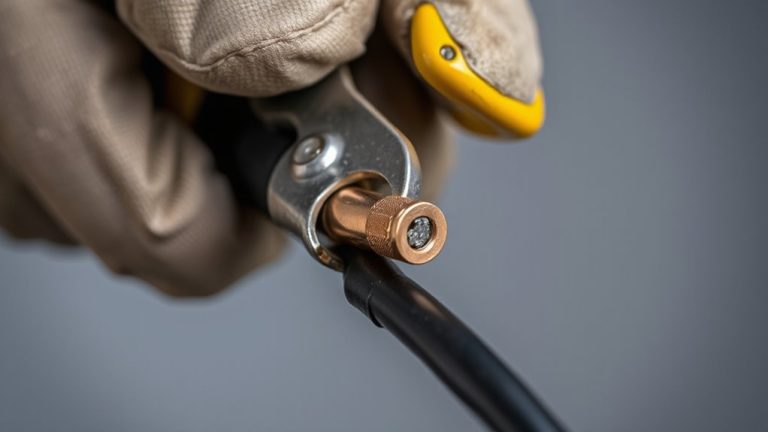
Assessing Pad Wear Indicators That Scratch Against Rotors Only When Cold
Your brakes squeak when cold because metal wear indicators lightly contact the rotor as pads and rotors contract in low temperatures. This contact often stops once components warm up and expand, typically within 2–3 miles. Steel’s increased stiffness and tension when cold amplifies high-pitched noise. A 1–2 mm wear indicator may temporarily scrape due to clearance changes, but this isn’t dangerous if the sound fades. Pad thickness should still be checked-replace if under 3mm. Persistent noise after warm-up signals a need for closer inspection.
Notable Insights
- Cold temperatures cause metal components to contract, increasing contact between wear indicators and rotors.
- Wear indicators may scratch rotors only when cold due to reduced clearances from thermal contraction.
- The resulting squeak is often high-pitched and temporary, disappearing as brakes warm up.
- Persistent scratching after warm-up suggests excessive wear or improper pad clearance needing inspection.
- Verify pad thickness is above 3mm and check rotor surface finish and runout for abnormalities.
Why Do My Brakes Squeak When Cold But Quiet Down When Warm?
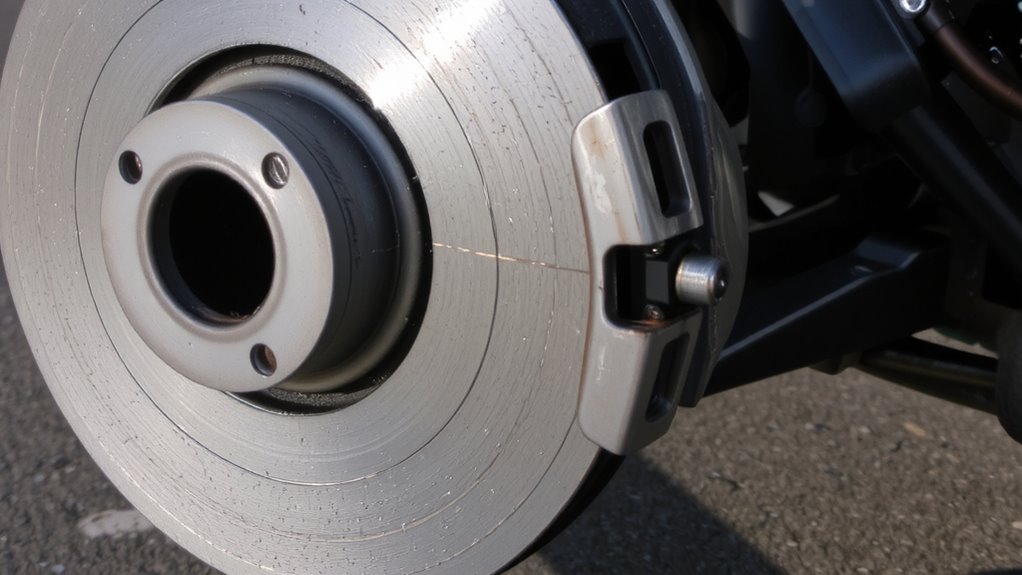
Why does that annoying squeak vanish once you’ve been driving a few miles? Cold brake pad material contracts, reducing flexibility and conformity to the rotor surface texture. When temperatures rise during initial braking, the pads expand slightly, improving contact. The uneven rotor surface texture at cold temps causes intermittent scraping, often from pad wear indicators lightly touching. As heat builds-usually within 2–3 miles-the brake pad material softens, adhering more smoothly to the rotor’s microscopic peaks and valleys. This stabilizes contact, eliminating vibration-induced squeaking. Modern semi-metallic and ceramic pads function differently under thermal stress, but both rely on consistent rotor surface texture for noise-free operation. Surface finishes typically range from 30 to 60 microinches RA, critical for ideal friction coupling. Once thermal equilibrium is reached, noise stops. It’s physics, not a flaw.
Why Cold Temps Make Brake Wear Indicators Squeak
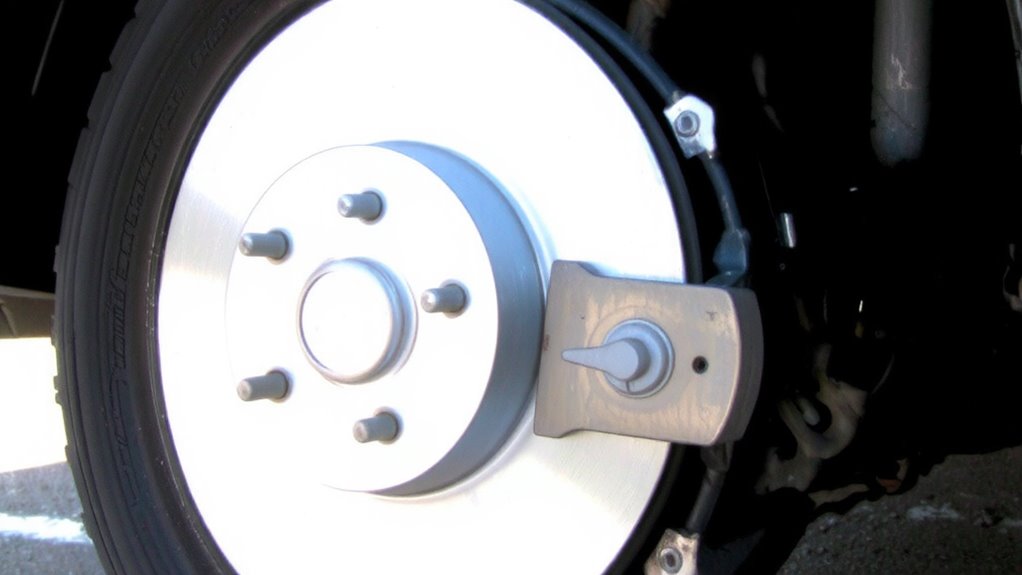
What makes that high-pitched squeal emerge only when your brakes are cold? Metal wear indicators press against the rotor when pads are worn. In cold temps, steel components contract. This increases rotor tension, amplifying vibration frequency. The result? A sharp squeak upon first use. Pad expansion hasn’t occurred yet. Friction materials remain stiff and less compliant. As you drive, heat builds. The rotor expands slightly, reducing tension. Simultaneously, pad expansion softens contact. Both changes dampen the noise. The indicator still touches, but thermal growth alters clearances. Original Equipment Manufacturer (OEM) specs show rotor thickness tolerance within ±0.001 in. Even such small shifts affect sound. Wear indicators are typically 1–2 mm wide, designed to create consistent contact. Cold metal acoustics explain the temporary squeal-no defect, just physics.
Is a Cold-Weather Brake Squeak Dangerous?
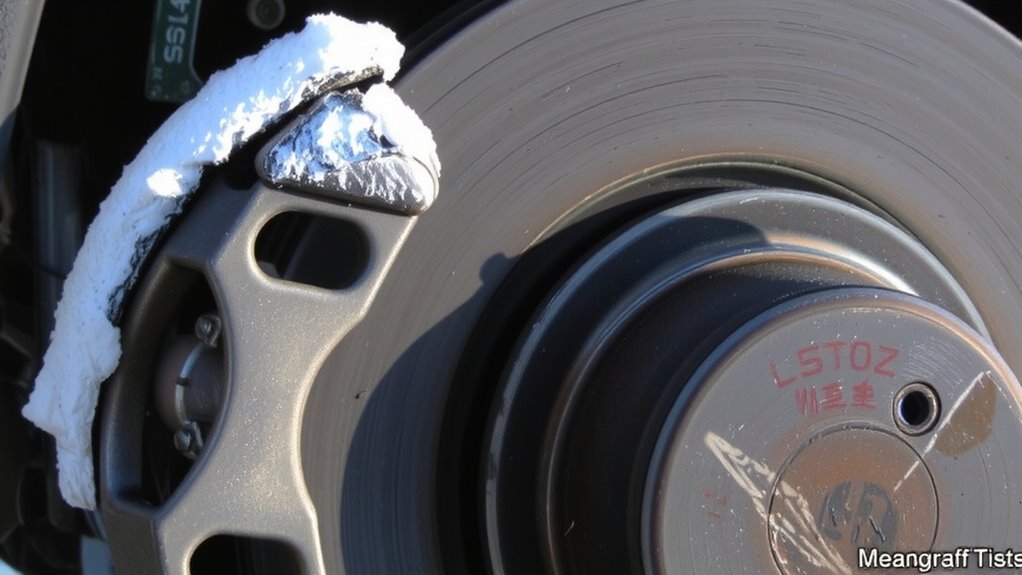
Could that early-morning squeak really signal trouble? A cold-weather brake squeak isn’t usually dangerous. Most often, it’s temporary noise from moisture-induced brake corrosion on the rotor surface. When you start driving, the pads scrape off this light rust layer, eliminating the sound. Road debris like sand or gravel can also get trapped in the pad-rotor interface, creating noise until cleared. These conditions typically resolve within a few brake applications. The squeak from wear indicators only engaging when cold is similarly benign-metallic tabs contact rotors due to slight pad contraction in low temperatures. Once warmed, normal clearance returns. No lasting damage occurs. However, persistent noise after the vehicle reaches operating temperature warrants inspection. Occasional cold squeaks are normal, not a sign of system failure. Monitor for changes in feel or sound during regular driving.
False Alarm or Real Brake Trouble? How to Tell
How do you know when a cold-weather squeak is just a nuisance or a sign something’s actually wrong? It depends on the brake pad material, rotor surface condition, and whether wear indicators are contacting metal. Check these factors systematically.
| Symptom | Likely Cause | Action Needed |
|---|---|---|
| Squeak only when cold, stops after warm-up | Moisture on rotors or soft pad material | Monitor, usually normal |
| Persistent squeal during driving | Worn pads or embedded debris | Inspect pad thickness |
| Grinding noise | Metal-to-metal contact, damaged rotor surface condition | Immediate service required |
| Vibration with noise | Warped rotor or uneven brake pad material deposition | Measure runout, resurface or replace |
Don’t ignore changes in sound or feel. Early diagnosis prevents rotor damage.
What to Do When the Squeak Stops After Warming Up
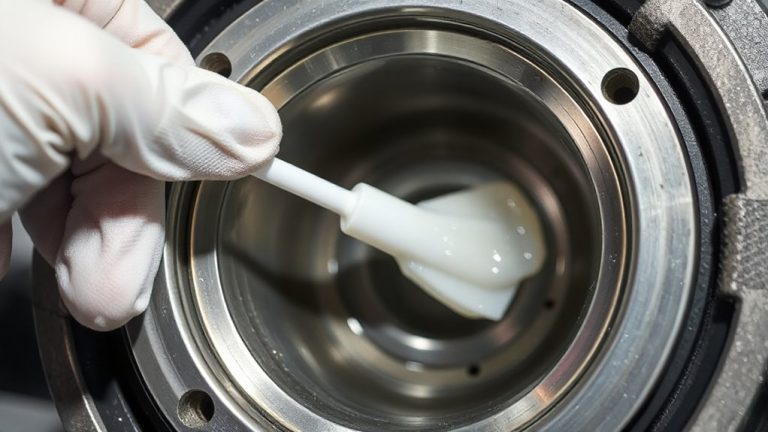
A cold-weather squeak that disappears once the brakes warm up typically isn’t a safety concern, especially if it’s consistent with soft friction materials or overnight moisture condensation. You should inspect pad thickness to confirm it’s above 3mm-the minimum recommended for safe operation. The noise often fades as heat evaporates moisture and stabilizes pad-rotor contact. Check brake lubrication at caliper contact points; dried or missing grease can cause vibration-induced squeaks when cold. Guarantee lubricant is high-temperature silicone-based, rated to at least 600°F. Rule out early rotor warping by measuring lateral runout with a dial indicator-exceeding 0.002 inches warrants machining or replacement. Persistent noise after warm-up suggests wear indicators engaging or glazing. Cold-only squeaks usually mean maintenance intervals are on track, not urgent repair. Monitor recurrence seasonally.
On a final note
Your brake wear indicator squeaks when cold because steel contacts the rotor, creating noise until heat reduces friction. This is normal. The sound typically stops once brakes reach operating temperature, around 100°F. Indicators engage when pad thickness drops below 3 mm. Squeaking only during cold stops usually means no immediate danger. Inspect pads if thickness is under 4 mm or if squeaking persists warm.