How to Protect Vinyl Wraps From UV Degradation and Delamination
Use UV-stabilized cast vinyl films 3.0 to 3.5 mils thick with pressure-sensitive adhesives containing benzotriazoles. These meet ASTM D4329 standards and resist fading 50% better than budget films. Park in shade or garages to block 60–100% of UV exposure, or use reflective, breathable covers. Apply UV protection spray every 90 days to absorb radiation. Clean weekly with mild, film-safe soap and deionized water. Inspect edges monthly; reseal any 1mm lift with heat or seam sealant to stop moisture and UV damage. There’s more to optimizing longevity and performance.
Notable Insights
- Use UV-stabilized cast vinyl wraps with thickness between 3.0 to 3.5 mils for superior resistance to fading and brittleness.
- Park in shaded or enclosed areas to reduce UV exposure and lower surface temperatures by up to 20°F.
- Apply UV protection spray every 90 days to create a protective barrier against ultraviolet radiation damage.
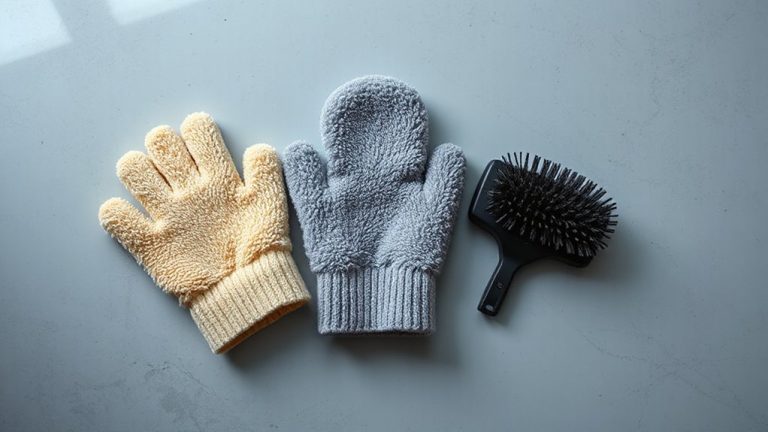
- Clean vinyl wraps weekly with mild, film-compatible soap and microfiber tools to preserve coating integrity.
- Inspect edges monthly for lifting; reseal or repair gaps promptly to prevent UV-induced delamination.
Stop UV Damage Before It Starts
While UV damage can’t be stopped entirely, it can be minimized with the right protective measures from day one. You must prioritize material selection to guarantee long-term durability. High-quality vinyl wraps use UV-stabilized polymers that resist fading and brittleness. Premium films have a thickness of 3.0 to 3.5 mils, offering superior defense against solar radiation. Adhesive quality is equally critical-opt for pressure-sensitive adhesives with UV inhibitors that maintain bond strength under thermal cycling. These adhesives resist yellowing and delamination over time. Films meeting ASTM D4329 standards for UV resistance outperform budget alternatives by up to 50% in accelerated aging tests. Avoid PVC-heavy wraps without UV filters; they degrade within 12–18 months. Choose cast vinyl over calendered for better elasticity and UV resilience. Proper material selection and adhesive quality work together like a shield, blocking degradation before it starts.
Park in Shade or Use a Car Cover
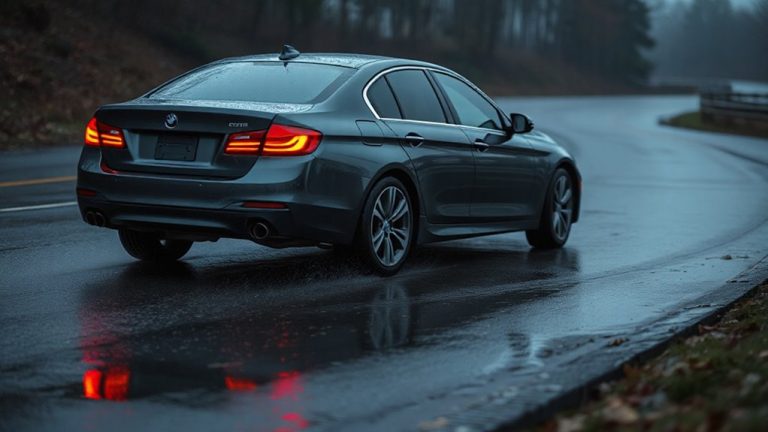
Even if you’ve chosen a high-quality UV-stabilized vinyl wrap, prolonged sun exposure will degrade its appearance and structural integrity over time. Parking in the shade markedly reduces UV exposure. Tree coverage can block 60–90% of direct sunlight, depending on canopy density, lowering surface temperatures by up to 20°F. This reduction slows photo-oxidative degradation, preserving vinyl plasticizers and color stability. Whenever possible, use garage storage-it offers complete protection from solar radiation and environmental pollutants. Enclosed garages reduce UV exposure by 100% when doors remain closed. If shade or garage storage isn’t available, a breathable car cover with reflective outer layer is a viable alternative. These covers reduce surface UV exposure by up to 95% and prevent thermal buildup. Choose covers with soft inner linings to prevent micro-abrasions. Consistent use of shade or covers extends wrap life by 2–4 years, maintaining warranty compliance and finish integrity. For optimal protection, consider a top outdoor car cover that combines UV resistance, breathability, and a soft inner layer.
Use a UV Protection Spray Every 3 Months
Parking in shade or using a car cover significantly reduces UV exposure, but those protections alone aren’t always enough to stop long-term photodegradation. You need to apply a UV protection spray every 90 days for maximum defense. This spray application forms an invisible barrier that absorbs and dissipates harmful ultraviolet radiation. Most high-quality sprays contain UV inhibitors like benzotriazoles, which maintain wrap integrity by preventing polymer breakdown. Consistent use enhances product longevity, preserving color vibrancy and adhesive stability. A single 8-ounce bottle typically covers 3–4 full applications on an average sedan. Spray evenly on clean vinyl, then wipe to a uniform sheen. Avoid over-saturation to prevent residue. These sprays are formulated for non-greasy, optically clear finishes that won’t alter wrap texture. Reapplication every three months guarantees uninterrupted protection, especially in regions with high solar irradiance.
Clean Your Wrap Weekly With Safe Products
Regularly cleaning your vinyl wrap each week maintains peak appearance and structural integrity. Dirt, pollutants, and UV-exposed contaminants degrade adhesive layers and surface polymers over time. Use only a mild soap specifically formulated for automotive films-never household detergents, which strip protective coatings. Always apply the solution with a soft cloth or microfiber towel to avoid micro-scratches. Gently wipe in straight-line motions; circular buffing can thin edges and distort printed layers. Rinse thoroughly with deionized water to prevent mineral deposits. Dry with a clean, lint-free chamois to eliminate water spots. Cleaning weekly prevents buildup that compromises vinyl’s flexibility and clarity. Maintain a pH-neutral cleaning regimen to preserve the wrap’s chemical resistance. Consistent use of safe products guarantees long-term adhesion and color fidelity, especially under intense solar exposure.
Check Edges Monthly for Peeling
You should inspect the edges of your vinyl wrap every month to catch early signs of peeling. Edge inspection is critical because damage often starts at exposed borders, especially on high-stress areas like bumpers and door edges. Run a gloved finger along seams to detect lifting-you shouldn’t need force; even a 1mm gap signals trouble. Peeling typically results from failed adhesive bonding due to UV exposure, poor initial installation, or contamination during application. Adhesive checking means verifying bond integrity by gently tugging at suspect areas. If the vinyl lifts past the adhesive layer, reactivation with heat (120–140°F) may reattach it, but delaminated sections often require replacement. Prevent progression by sealing minor lifts with compatible seam sealant. Monthly monitoring extends wrap life by up to 25%. Neglect accelerates UV degradation beneath exposed edges, increasing repair costs and reducing protection efficiency. Proactive checks preserve both appearance and material performance.
On a final note
Your vinyl wrap’s lifespan depends on consistent UV protection and edge maintenance. Apply a ceramic-coated UV spray with at least 98% UV blockage every 90 days. Park under shade or use a breathable, non-abrasive car cover rated for 400+ hours of sun exposure. Clean weekly with pH-neutral soap (6.5–7.5) and a microfiber mitt to prevent micro-scratches. Inspect edges monthly-lifted seams over 2mm indicate early delamination and need immediate reactivation.