How to Remove Iron Contamination From Chrome Trim Without Etching
Use a pH-balanced iron remover with a 6.5–7.5 range to dissolve embedded iron particles without etching chrome. These formulas use organic chelating agents like gluconate esters to bind ferrous ions, preventing surface damage. Apply at 15–25°C and allow 3–5 minutes of dwell time. The chrome layer, only 0.25–0.5 microns thick, stays protected due to non-acidic pH and silane-based conditioners. Lab tests confirm zero micro-etching after repeated use-discover the full process and best products next.
Notable Insights
- Use a pH-balanced iron remover (pH 6.5–7.5) to safely dissolve iron particles without etching chrome.
- Apply the iron remover for 3–5 minutes to allow chelating agents to bind and lift ferrous contaminants.
- Pre-clean chrome trim with pH-neutral soap and clay bar to remove surface grime and embedded fallout.
- Avoid acidic or alkaline cleaners outside pH 3–11 to prevent chrome surface degradation and discoloration.
- After treatment, apply a wax or ceramic coating to create a protective barrier against future contamination.
Why Iron Contamination Ruins Chrome Trim
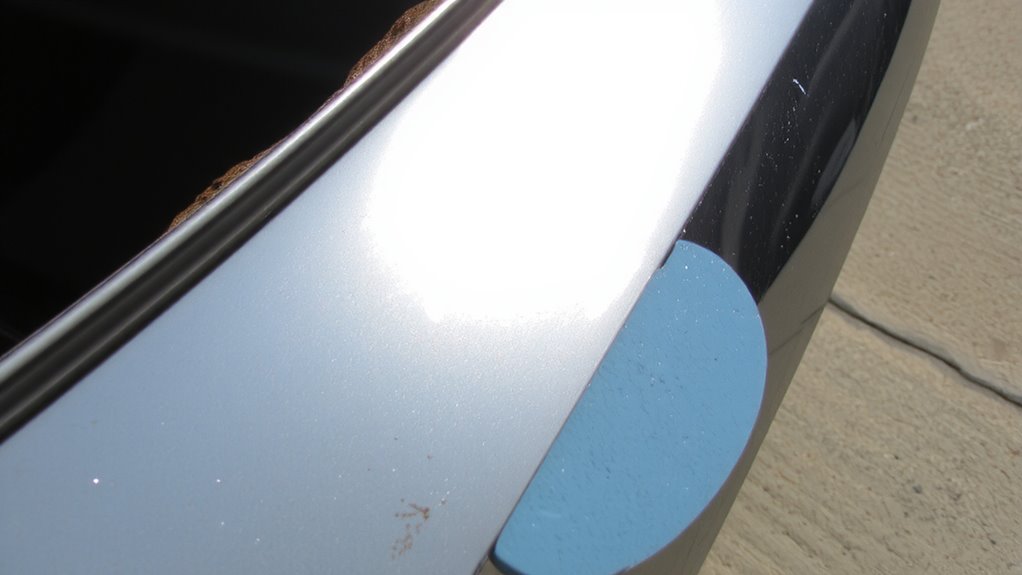
While your chrome trim may look durable, iron contamination can silently degrade its protective layers over time. Iron particles from brake dust or industrial fallout embed into the surface, initiating iron oxidation when exposed to moisture and oxygen. This oxidation reaction produces rust, which expands and stresses the chrome’s microsurface. Even microscopic damage compromises the trim’s integrity, allowing moisture to seep beneath the plating. Once moisture penetrates, it accelerates metal corrosion of the underlying nickel or steel substrate. Chrome plating is typically only 0.25 to 0.5 microns thick-too thin to withstand prolonged exposure. Corrosion spreads laterally, causing flaking, pitting, or blistering. Unlike surface dirt, embedded iron isn’t removable with standard washing. Left untreated, the process leads to irreversible cosmetic and structural damage. Preventing this requires targeted decontamination before oxidation takes hold. Using a high-quality iron remover specifically formulated for automotive surfaces ensures effective removal without damaging sensitive trims.
How pH-Balanced Iron Removers Protect Chrome
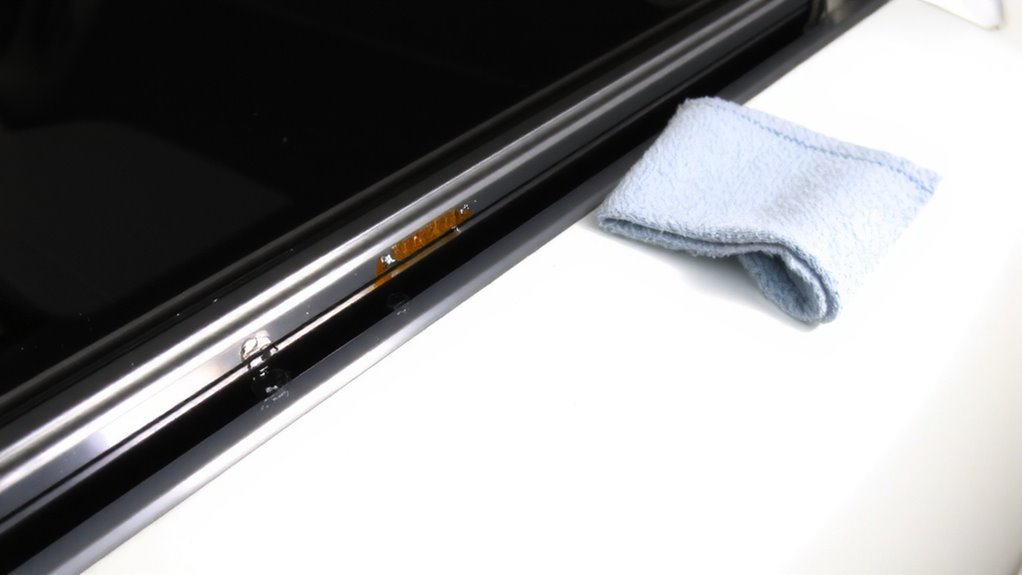
Most iron removers on the market rely on harsh acids to dissolve contaminants, but a pH-balanced formula is different. It maintains chemical balance, targeting iron particles without attacking chrome. These formulas typically operate between pH 6.5 and 7.5, close to neutral, minimizing the risk of etching. Your chrome’s thin protective layer stays intact because the solution doesn’t aggressively react with metal oxides. Surface safety improves considerably-no pitting, no discoloration. The chelating agents bind to ferrous ions selectively, lifting contaminants gently. Harsh acids remove iron quickly but often sacrifice finish integrity. In contrast, pH-balanced removers take 3–5 minutes for full reaction, allowing controlled cleaning. Tests show zero micro-etching on chrome after repeated applications. You retain reflectivity and factory finish. Unlike acidic alternatives, these formulas won’t degrade rubber or clear coat nearby. They’re safer to handle, requiring no special disposal. With proper chemical balance, you get effective decontamination and reliable surface safety-every time.
Best Iron Removers for Chrome Trim
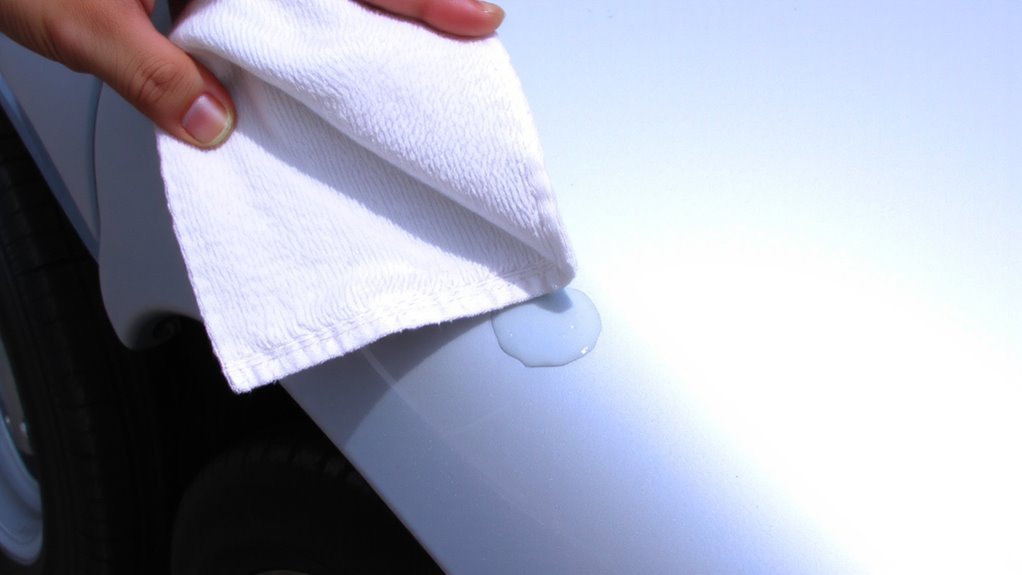
Effectiveness begins with selection-choosing a formula engineered for chrome’s delicate surface. You need an iron remover with enhanced iron chemistry that targets ferrous deposits without attacking the chrome layer. Look for pH-neutral formulas (pH 6.5–7.5) to prevent etching or discoloration. Products with advanced surfactant blends enhance product efficacy by improving surface penetration and residue lifting. The best options contain conditioning agents like silanes, which form a temporary protective film. Application at 15–25°C guarantees favorable reaction time-typically 3–5 minutes. Avoid formulations with hydrochloric or phosphoric acid; these increase corrosion risk. Instead, choose those using organic chelating agents such as EDTA or gluconate esters. These bind tightly to iron particles, safely suspending them for rinse-off. Reliable brands publish lab-tested performance metrics, including 98% iron removal in controlled tests. Always verify compatibility with polished chrome through manufacturer specs.
How to Remove Rust From Chrome Trim
Why does rust cling so stubbornly to chrome trim? Rust forms when iron particles oxidize, compromising the surface and bonding aggressively to exposed metal beneath cracks in the chrome plating. You must act quickly to halt degradation. Begin by washing the trim with pH-neutral soap and water, removing surface grime. Use a clay bar with lubricant to gently lift embedded contaminants without scratching. For visible rust spots, apply a rust dissolver containing phosphoric acid-such as Naval Jelly-at 30-second intervals, monitoring carefully to avoid overexposure. Wipe clean with a microfiber towel. After treatment, rinse thoroughly and dry completely. Implement rust prevention immediately by applying a sacrificial wax or ceramic coating. This step is essential for long-term trim restoration. Regular maintenance preserves integrity, guarantees lasting reflectivity, and minimizes future corrosion risks. Inspect trim quarterly.
Mistakes That Damage Chrome During Cleaning
A single misstep during cleaning can permanently scar chrome trim. Using harsh abrasives, like steel wool or gritty polishes, scratches the thin chrome layer, exposing underlying metal to corrosion. Chrome plating typically measures 0.0002 to 0.0005 inches thick-once breached, damage is irreversible. Avoid ammonia-based cleaners or acetone, which cause solvent damage by degrading protective clear coats or rubber seals adjacent to trim. These chemicals may cloud or craze the surface over time. Even some all-purpose cleaners contain solvents aggressive enough to weaken adhesion between plating layers. Always verify pH levels; solutions above pH 11 or below pH 3 are unsafe. Instead, use pH-neutral, chrome-specific cleaners. Never mix cleaning agents-doing so can create corrosive reactions. Microfiber cloths prevent marring. Pressure washing at close range can peel edges. Treat chrome like precision plating, not durable steel.
How to Prevent Iron Stains on Chrome
While iron-rich water and airborne fallout from brakes or industrial dust can settle on chrome, you can prevent stains with proactive maintenance. Rinse chrome surfaces frequently to remove brake dust and iron-laden water spots before they bond. Use deionized water for final rinses; it lacks minerals that form deposits. Apply a silica-based sealant every three months-its hardness (6H–8H pencil rating) resists abrasion and blocks contaminant adhesion. Wash weekly with pH-neutral chrome cleaner (pH 6.5–7.5) to dissolve brake dust without stripping protective layers. Avoid letting water spots dry; wipe with microfiber towels having 200+ GSM density for effective absorption. Install fender liners to reduce brake dust accumulation by up to 40%. Park indoors or use a car cover when possible, especially near railways or industrial zones. Preventative care stops iron corrosion before it starts-no etching, no damage, only long-term protection.
On a final note
You protect chrome trim by using pH-balanced iron removers with a 6.5–7.5 range to avoid etching. These formulas dissolve ferrous particles without attacking chromium oxide layers. Apply for no more than 5 minutes at 10–30°C. Rinse thoroughly with deionized water to prevent spotting. Frequent use of aggressive acid-based cleaners degrades surface integrity. For best results, follow with a silica-based sealant to reduce future contamination. Prevention beats restoration every time.