Managing Fuel Slosh in Non-Baffled Tanks With Pickup Tube Extensions
You lose fuel pressure during hard cornering because fuel sloshes away from the pickup in non-baffled tanks. A pickup tube extension keeps the inlet submerged longer by reaching deeper into the sump. Use a 6–8 mm ID tube for gasoline, 8–10 mm for E85, and 7–9 mm for methanol to match fuel viscosity. Guarantee the extension supports your pump’s LPH flow rate and resists chemical degradation. Position the end 3/4″ above the tank floor and secure it straight to prevent restriction. Proper fit prevents air ingestion, maintains fuel pressure, and avoids lean misfires. The right setup guarantees reliable delivery under high-G maneuvers-understanding each step optimizes performance.
Notable Insights
- Fuel slosh in non-baffled tanks causes fuel starvation by displacing liquid from the pickup during dynamic driving.
- Pickup tube extensions keep the inlet submerged longer, reducing air ingestion during hard cornering and acceleration.
- Extensions must match fuel type viscosity with correct internal diameter to support required pump flow rates.
- Proper installation positions the tube 3/4″ above the tank floor and ensures a straight, secure, leak-free connection.
- Avoid common mistakes like misalignment, improper routing, or loose fittings to prevent vapor lock and fuel pressure loss.
Why Fuel Slosh Starves Engines in Non-Baffled Tanks
When your vehicle accelerates, brakes, or corners sharply, fuel in a non-baffled tank sloshes freely due to inertia, creating unstable fuel distribution. Fuel agitation displaces liquid away from the pickup point, especially during high-G maneuvers. Without internal baffles to dampen movement, large fuel cavities form momentarily near the pump inlet. This causes intermittent fuel starvation, even when tank levels appear adequate. You might notice sputtering or hesitation as the engine struggles to maintain power. Prolonged agitation leads to vapor pockets or air ingestion at the pickup, disrupting fuel flow consistency. These disruptions directly contribute to lean conditions and engine misfires under load. Misfires reduce performance, increase emissions, and risk catalytic converter damage over time. The problem worsens in tanks below half capacity, where greater air volume amplifies wave formation. This dynamic is common in OEM and aftermarket non-baffled tanks used in off-road, racing, or high-performance street applications.
How Pickup Tube Extensions Prevent Fuel Starvation
Although fuel slosh in non-baffled tanks can’t be eliminated entirely, extending the pickup tube positions the inlet deeper into the fuel sump, reducing the chance of air ingestion during dynamic maneuvers. You maintain consistent fuel pressure because the extended tube stays submerged longer as fuel shifts. This directly improves fuel dynamics, especially during hard cornering or acceleration, when fuel rushes away from the stock pickup point. Most extensions add 2–4 inches of length, tailored to your tank’s sump depth and fuel volume. By minimizing air entry, you protect engine performance from lean conditions that cause misfires or hesitation. The extension acts like a snorkel in choppy water-keeping the intake below the surface where flow is stable. Unlike baffles, it’s a low-cost fix that doesn’t require tank modification. You’ll see immediate gains in delivery reliability, particularly in performance or off-road applications where fuel slosh is unpredictable.
Matching Your Extension to Fuel Type and Pump Style
Extending the pickup tube helps maintain fuel flow during aggressive driving, but choosing the right extension requires matching it to your fuel type and pump configuration. Fuel viscosity impacts how easily fuel moves through the system-thicker fuels like E85 need larger internal diameters to prevent restriction. High-viscosity fuels demand extensions designed for increased flow capacity. Pump compatibility is critical; mismatched components can cause cavitation or reduced pressure. Always verify the extension’s material resists degradation from your fuel type.
| Fuel Type | Viscosity (cP) | Recommended Tube ID |
|---|---|---|
| Gasoline | 0.6 | 6–8 mm |
| E85 | 1.1 | 8–10 mm |
| Methanol | 0.6 | 7–9 mm |
Use only extensions rated for your pump’s flow rate (measured in LPH) and guarantee secure, leak-free connections to maintain consistent delivery under dynamic conditions.
Install Your Pickup Tube Extension in 5 Steps
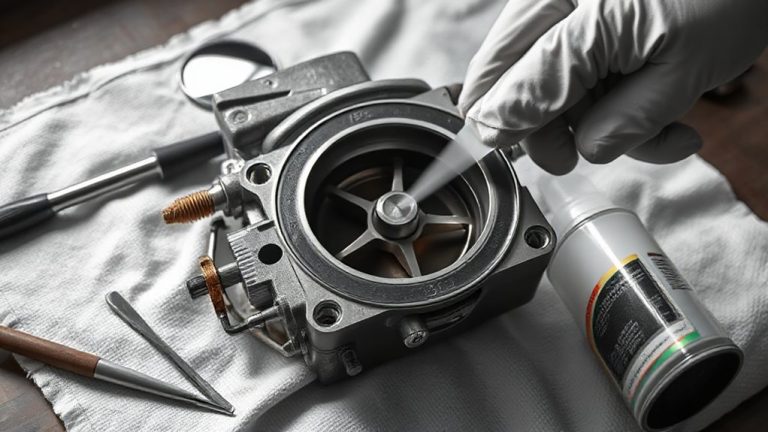
One critical step guarantees your fuel system performs under hard cornering or rapid acceleration: installing the pickup tube extension correctly. Start by disconnecting the battery to safeguard safety. Remove the fuel pump assembly from the tank carefully-avoid damaging seals. Next, slide the extension onto the OEM pickup tube, ensuring tight, leak-free contact; most extensions use a 1/8″ NPT thread or compression fit. Verify Tube alignment: the extended tube must point straight down, not angled, to prevent vapor lock. Position the pickup end 3/4″ above the tank floor-this optimizes Fuel placement during aggressive maneuvers. Reinstall the pump assembly, reconnect wiring and fuel lines, then reattach the battery. Prime the system by turning the key to “on” without starting, cycling three times. Check for leaks and consistent fuel pressure. Proper installation maintains flow above 45 psi under load, preventing starvation.
Top Pickup Tube Extension Installation Mistakes to Avoid
When installing a pickup tube extension, skipping the pre-fit check leads to alignment issues that compromise fuel delivery under load. You must verify fitment before final assembly to prevent improper routing and loose fittings. Misaligned tubes restrict fuel flow, especially during hard cornering or rapid acceleration. Secure all connections with manufacturer-specified torque values-typically 8–10 ft-lbs for nylon fittings.
| Mistake | Consequence |
|---|---|
| Skipping pre-fit | Misalignment, flow restriction |
| Improper routing | Vapor lock, reduced efficiency |
| Loose fittings | Fuel leaks, pressure loss |
| Ignoring tank geometry | Inconsistent fuel pickup |
Always follow OEM guidelines for bend radius and clearance. Improper routing can cause the tube to contact the tank wall, inducing vibration fatigue. Loose fittings lead to air ingestion and fuel starvation. Double-check every connection and routing path to guarantee reliable performance.
On a final note
You prevent fuel starvation by installing a properly matched pickup tube extension. It maintains fuel flow during hard cornering or acceleration. Extensions typically add 4–8 inches of drop, keeping the pickup submerged. Use ethanol-compatible materials like PTFE for E10 fuels. Match the fitting thread-commonly -8 AN-to your pump. A secure, aligned installation guarantees consistent delivery. Think of it as extending your fuel reserve within the tank’s existing volume.