Power Steering Rack Seals Integrity Assessment Prior to 60,000 Miles
Your power steering rack seals can fail before 60,000 miles due to heat, contamination, and material fatigue. Nitrile seals harden after 300 hours above 120°C, losing sealing force. Microcracks form, allowing fluid migration even without visible leaks. Insufficient interference fit below 0.15mm reduces effectiveness. Check for dark fluid, noise, or stiff steering. Early diagnosis reveals internal wear you can’t see-understanding the hidden factors behind seal degradation reveals how to catch it before total failure.
Notable Insights
- Inspect fluid monthly for dark color or debris, indicating early seal degradation.
- Check for wetness or residue near rack boots during under-vehicle inspections.
- Monitor fluid level consistently below “MIN” mark, signaling internal leakage.
- Listen for whining noises during turns, suggesting reduced hydraulic pressure.
- Use manufacturer-recommended fluid and replace every 30,000 miles to prevent seal damage.
Why Rack Seals Fail Early
Why do some rack seals fail long before their expected lifespan? You’re likely facing material fatigue or inherent design flaws. Material fatigue occurs when elastomeric seal compounds degrade under repeated thermal cycling and pressure stress. Standard nitrile rubber seals, for example, begin hardening after 300 hours of exposure to fluids above 120°C, losing sealing force. Microcracks form, allowing fluid migration. Design flaws worsen this. Some OEM seals have insufficient interference fit-less than 0.15mm-reducing sealing effectiveness. Others lack adequate backup rings, allowing extrusion under peak pressures exceeding 140 bar. Poor groove geometry in the housing adds stress concentrations. These flaws accelerate wear. Even high-quality materials can’t compensate for incorrect dimensions or suboptimal profiles. You need precision-machined seals with reinforced lips and optimized land widths-typically 2.1mm-to endure real-world loads.
Spot the Warning Signs of Failing Rack Seals
You can’t always see seal damage right away, but the symptoms show up clearly if you know where to look. Steering effort increases noticeably, especially at low speeds, due to internal pressure fluctuations disrupting hydraulic assist. You may hear whining or groaning when turning-the pump struggles to maintain 700–1,000 psi system pressure. Check the power steering fluid reservoir: dark or brown fluid indicates fluid discoloration from metal particles and degraded additives. Milky fluid suggests moisture contamination, though that’s covered later. Visible leaks at the rack ends are strong indicators, but early failure might not leave traces. Pressure fluctuations reduce steering responsiveness, with delayed reaction during lane changes or parking. These aren’t subtle-they affect control. Test drive with attention to feedback: mushy or inconsistent steering effort points directly to failing rack seals. Early detection prevents total rack failure.
How Heat and Contamination Kill Rack Seals
While designed to endure harsh conditions, rack seals degrade rapidly when exposed to excessive heat and contaminated fluid. Thermal degradation breaks down rubber compounds, causing seals to harden and crack. Most OEM seals withstand temperatures up to 250°F, but prolonged exposure above this threshold reduces elasticity and sealing efficiency. Once compromised, micro-leaks develop, accelerating fluid loss. Fluid contamination introduces abrasive particles and oxidized debris into the system. These contaminants score seal surfaces and piston rods, creating leak paths. Even microscopic metal shavings increase wear rates by up to 40%. Contaminated fluid also loses lubricity, increasing friction and localized heat. Combined, thermal degradation and fluid contamination create a feedback loop-more heat, more damage, faster failure. Clean, cool fluid extends seal life considerably. Maintaining fluid temperature below 220°F and using filters with 10-micron efficiency helps prevent premature seal breakdown.
How to Inspect Rack Seals Yourself
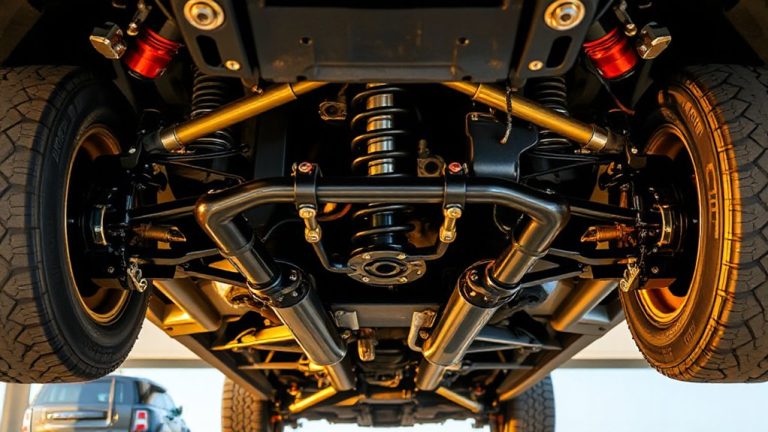
Ever wondered how a small leak can reveal big problems in your steering system? Perform a visual inspection under the vehicle to check the power steering rack seals. Look for wetness or crusty residue near the rack boots-this indicates potential seal failure. Check the fluid level in the reservoir; a drop below the “MIN” mark suggests a leak. Use the dipstick if equipped, and compare levels when cold versus warmed. Low fluid affects steering responsiveness and accelerates pump wear. Inspect hoses and connections too, since leaks aren’t always at the rack. Shine a flashlight to spot seepage others miss. Don’t rely on smell or sound-these come later. A proper visual inspection now prevents costly repairs. You don’t need tools-just time and attention. Address issues before 60,000 miles to maintain factory performance and reliability.
Find Internal and External Power Steering Leaks
How can you tell if a power steering leak is internal or external? Look under your car. External leaks leave visible fluid drops, usually near the rack ends or hoses. You’ll often see dark, greasy residue where the fluid escapes. Internal leaks happen within the steering rack and may not leave puddles. Instead, you’ll notice a whining pump, stiff steering, or fluid loss without visible seepage. Low steering fluid viscosity due to contamination or heat breakdown reduces seal performance. Over time, poor seal material compatibility with modern synthetic fluids causes brittleness or swelling, leading to leaks. Check fluid color and consistency monthly. Use only OEM-specified fluid to maintain proper viscosity and seal integrity. Inspect seals for cracks, deformation, or discoloration. These signs hint at internal failure before 60,000 miles.
Rebuild or Replace Your Power Steering Rack?
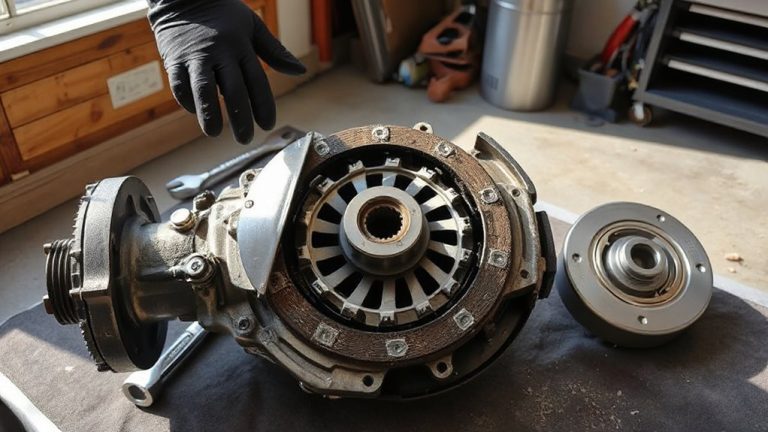
What should you do when your power steering rack fails-rebuild it or replace it? A rebuild restores your original rack using new seals and precision-machined components, typically costing $150–$300 in parts plus labor. Replacing it with a new or remanufactured unit ranges from $400–$1,200, depending on vehicle make and model. Perform a cost comparison: rebuilding saves money upfront but may lack long-term reliability. Factory remanufactured racks offer tighter tolerances and updated designs. Warranty options favor replacement-most reman units include 12- to 24-month coverage, while rebuilt systems often have limited or no warranty. New units maintain OEM specifications, including exact bore diameters and gear tooth profiles. Rebuilt racks may not meet original pressure ratings of 1,200–1,500 psi. Consider vehicle age and mileage before choosing.
Extend Rack Seal Life: 4 Proven Maintenance Tips
While power steering rack seals can degrade over time due to heat, pressure, and fluid contamination, you can considerably extend their service life with proper maintenance. Use only manufacturer-specified fluid viscosity to guarantee effective flow and seal lubrication; incorrect viscosity increases wear and reduces sealing efficiency. Inspect fluid regularly-dark or gritty fluid indicates contamination that accelerates seal material breakdown. Most OEM seals are made from hydrogenated nitrile rubber (HNBR), engineered to withstand temperatures up to 150°C and pressure spikes to 180 bar. Replace fluid every 30,000 miles to maintain chemical stability and prevent swelling or hardening of the seal material. Install high-quality filter adapters if your system allows. Avoid aggressive steering at full lock, which generates excess heat and pressure. Monitor for leaks or stiffness-early symptoms often point to seal fatigue, not pump failure. Following these steps preserves integrity and delays costly repairs.
On a final note
You must inspect rack seals before 60,000 miles to prevent failure. Heat degrades nitrile rubber seals, reducing resilience above 140°F. Contaminants like metal particles accelerate wear. External leaks show fluid loss; internal leaks reduce steering response. Check for play in tie rod ends-exceeding 0.06 inches indicates wear. Rebuilding suits low-mileage units; replacement is better for corrosion. Use ATF-compatible fluid. Flush systems every 30,000 miles to extend seal life.