Signs Your Engine Is Burning Oil and What to Do About It
You may notice blue-tinted exhaust smoke during acceleration or cold starts, a sign oil is burning in the combustion chamber. This often comes with a slightly sweet, acrid smell. Worn piston rings, damaged valve seals, or cylinder wall scoring typically allow oil ingress. Check for low oil levels without external leaks. Replace the PCV valve, use proper viscosity oil, and consider high-quality additives. If symptoms persist, further investigation reveals whether internal repairs are necessary.
Notable Insights
- Blue-tinted exhaust smoke during acceleration or cold starts often indicates oil is burning in the combustion chamber.
- A persistent drop in oil level without visible leaks suggests internal oil consumption due to engine wear.
- Worn piston rings or damaged valve seals allow oil to enter cylinders and burn with the fuel mixture.
- Replace the PCV valve, use recommended oil viscosity, and consider additives to temporarily reduce oil burning.
- Perform a compression test or oil analysis to assess damage and determine if a rebuild or replacement is needed.
What Are the Signs Your Engine Is Burning Oil?
Why do you notice blue-tinted exhaust smoke when accelerating or during cold starts? That blue exhaust is a telltale sign your engine is burning oil. You’ll see the smoke most clearly under load or before the engine reaches operating temperature. Blue exhaust occurs when oil enters the combustion chamber and burns with fuel. You might also notice a slightly sweet, acrid odor. A persistent low oil level-without visible leaks-supports this diagnosis. Check your dipstick regularly; if oil drops more than one quart every 1,000 miles, it’s abnormal. Modern engines typically consume less than one quart per 2,000 miles. Combined with performance issues like reduced power or rough idling, these signs point to internal oil consumption. Monitoring these symptoms helps catch degradation early-before significant damage occurs.
What Causes an Engine to Burn Oil?
You’re seeing blue smoke and your oil level keeps dropping-now it’s time to understand what’s really going on inside your engine. Worn piston rings fail to seal combustion gases, letting oil seep into cylinders. Damaged valve seals allow oil to drip down stems into the combustion chamber. These are the two most common causes of oil burning.
| Component | Function | Common Failure Sign |
|---|---|---|
| Piston rings | Seal compression, control oil | Increased oil consumption |
| Valve seals | Prevent oil from entering ports | Blue smoke at startup |
| PCV valve | Manage crankcase pressure | Sludge, excessive pressure |
| Cylinder walls | Guide pistons, maintain seal | Scoring, loss of compression |
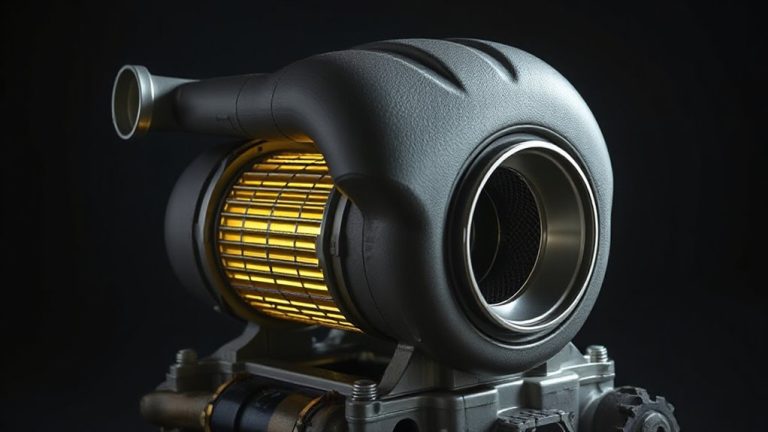
| Turbocharger | Force air into engine | Oil leak into intake if worn |
Worn components typically show issues past 100,000 miles. Regular maintenance delays, but won’t stop, wear.
Is It Safe to Drive When Burning Oil?
While driving may still be possible when your engine burns oil, doing so carries increasing risk the longer the condition goes unaddressed. Low oil levels reduce lubrication, accelerating wear. As oil viscosity drops from heat and contamination, it fails to protect critical components like pistons and bearings. You might notice reduced performance or engine noise. Severe cases lead to overheating or catastrophic failure. Your driving habits directly impact the rate of deterioration-aggressive acceleration or towing increases stress on compromised systems. Short trips prevent oil from reaching ideal temperature, worsening sludge buildup. Even brief driving under these conditions risks long-term damage. Ignoring symptoms compromises engine longevity and safety. While immediate breakdown isn’t guaranteed, extended operation without addressing oil loss increases repair costs and downtime. Regular monitoring helps, but continued use isn’t advisable without resolving the root issue. Using a high-quality oil-burning additive can help temporarily seal gaps and reduce oil consumption in aging engines.
How to Stop Engine Oil Burning (DIY and Repair Options)
Ignoring the signs of oil burning risks long-term engine damage, but taking proactive steps can slow deterioration and potentially restore performance. Start by checking and replacing worn spark plugs-fouled or oily tips indicate oil entry into combustion chambers. A clogged PCV valve is a common culprit; replacing it (typically $10–$30 part) restores proper crankcase ventilation and reduces oil pressure buildup. Use the manufacturer-recommended oil viscosity to minimize seepage into cylinders.
| Issue | DIY Fix | Effectiveness |
|---|---|---|
| PCV valve failure | Replace valve | High |
| Fouled spark plugs | Clean or replace | Moderate |
| Low-quality oil | Use correct grade | Moderate |
Regular maintenance and using OEM-spec parts improve outcomes. While these steps help, they won’t fix severe internal wear.
When Should You See a Mechanic for Oil Burning?
If the DIY fixes don’t reduce oil consumption, it’s time to consult a professional-persistent oil burning often points to internal engine wear beyond the scope of home repairs. A mechanic can perform a compression test to measure cylinder pressure, typically ranging from 100–200 psi; a drop below specification signals worn piston rings or valve seals. Low compression in multiple cylinders suggests extensive damage. You should also consider oil analysis, where a lab tests your used oil for metal particles like iron or aluminum, indicating internal component wear. Elevated silicon levels may point to dirt ingestion. These diagnostics provide objective data on engine health. Ignoring results risks complete engine failure. Early professional intervention can confirm whether a rebuild or replacement is needed. Delaying increases repair costs and roadside breakdown risk.
On a final note
You must address oil burning promptly to avoid engine damage. Persistent blue exhaust smoke indicates oil combustion at temperatures exceeding 250°C. Low oil levels between changes, typically under 3,000-mile intervals, signal excessive consumption. Faulty piston rings, worn valve seals, or clogged PCV systems are common causes. Use 5W-30 or manufacturer-specified oil viscosity to reduce consumption. If problems persist, compression tests-showing less than 100 psi-warrant professional repair.