Why Using a Dedicated Interior Wash Prevents Chemical Cross-Contamination
Using a dedicated interior wash keeps your boat or car cabin safe by preventing chemical cross-contamination. Exterior cleaners have pH levels of 10–12, which degrade vinyl and leather over time. Interior-specific formulas stay between pH 6.5–7.5, preserving material integrity. They avoid silicones and waxes that attract dust. Dedicated microfiber towels (300–400 GSM) retain only 3–7 ppm of residue, versus 120+ ppm in reused sponges. You avoid damaging surfaces and compromising air quality-your cleaning routine becomes both effective and safer. There’s more to learn about tool-specific hygiene.
Notable Insights
- Dedicated interior washes use pH-balanced formulas that prevent chemical degradation of sensitive cabin materials.
- Interior-specific cleaners avoid harsh solvents that linger on tools and contaminate other surfaces.
- Using separate, color-coded microfiber towels minimizes residue transfer between cleaning zones.
- Non-ionic surfactants in interior washes lift dirt without leaving behind reactive chemical traces.
- Dedicated tools retain significantly lower chemical residue, reducing cross-contamination risks by up to 95%.
What Chemical Residue Does to Boat and Car Interiors
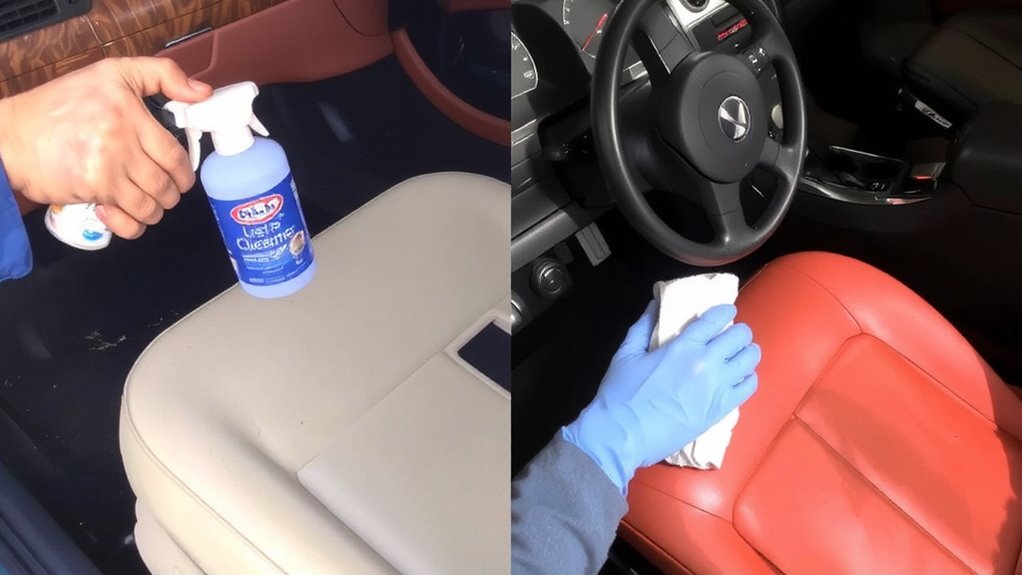
Chemical residue is the unseen threat lurking in your boat or car’s interior. It leads to chemical buildup over time, especially from improperly cleaned surfaces exposed to UV light, moisture, and temperature fluctuations. This residue accelerates material degradation, breaking down polymers in vinyl, rubber, and synthetic fabrics. You’ll notice cracking, fading, and loss of elasticity-especially on dashboards and door panels. Studies show interiors exposed to repeated harsh cleaners lose up to 40% of material tensile strength within 18 months. Chlorides and sulfates from road salt or marine environments compound the damage, creating acidic microenvironments on surfaces. Without proper cleaning agents designed to eliminate contaminants without leaving residue, you risk compromising the structural integrity of interior components. A dedicated interior wash removes these residues completely, preventing cross-contamination and preserving material composition. You maintain factory-level performance and prolong component lifespan.
Why Dashboards and Upholstery Need Gentle Cleaners
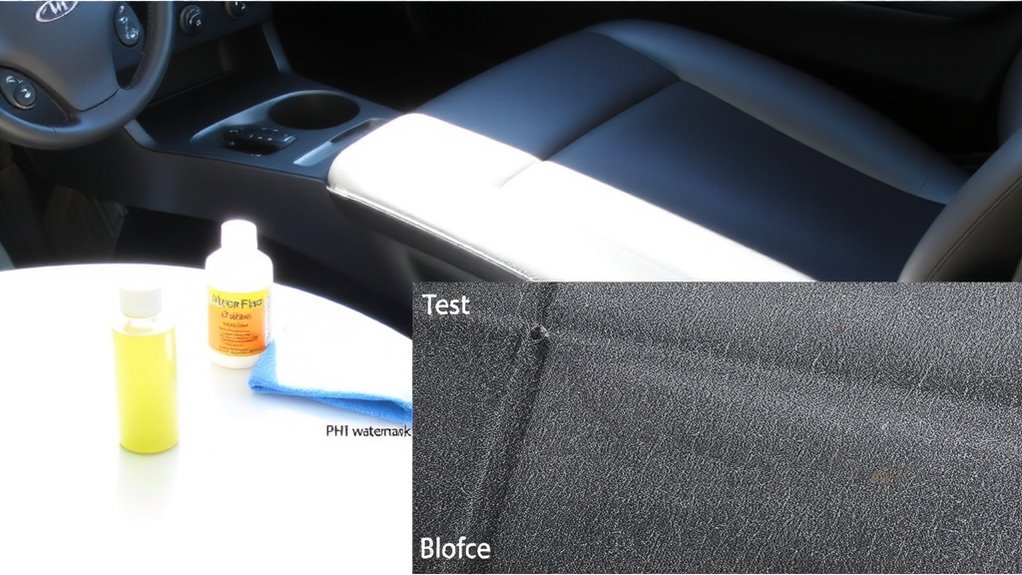
Your dashboard and upholstery endure constant exposure to UV radiation, temperature swings, and surface contaminants, making material integrity a top priority. Standard cleaners often contain harsh solvents that degrade polymers and leave behind residues, accelerating surface cracking and discoloration. Gentle interior-specific formulas maintain pH balance-typically between 6.5 and 8.5-preserving sensitive vinyl, leather, and plastic components. These cleaners incorporate UV protection to reduce long-term photodegradation, minimizing fading and embrittlement. For fabric upholstery, proper fabric conditioning restores lost oils and protects against abras deficient moisture absorption. Dedicated wash washes include non-ionic surfactants that lift grime without stripping protective coatings. Unlike industrial degreasers, they don’t compromise airbag deployment surfaces or electronic component seals. Using them guarantees material longevity and maintains manufacturer warranties. You’re not just cleaning-you’re actively preserving structural and aesthetic performance with every application. Best Car Dashboard Cleaners are specifically formulated to meet these exacting standards.
How Exterior Cleaners Cause Interior Damage
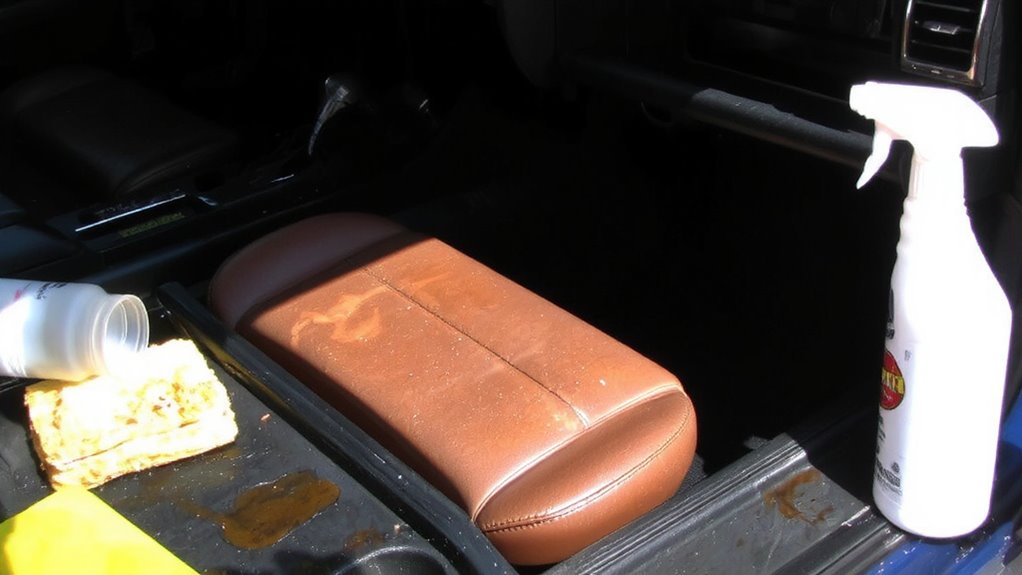
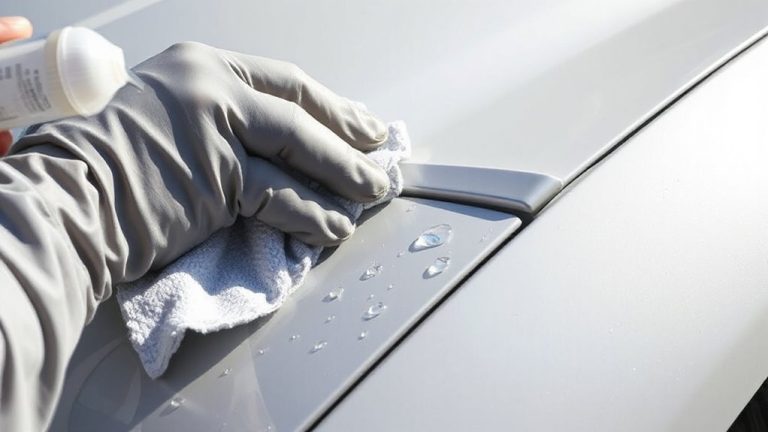
While exterior cleaners are formulated to cut through road film, brake dust, and oxidized contaminants, they’re far too aggressive for interior surfaces. Using them inside your vehicle risks paint stripping and surface etching on delicate materials like soft-touch plastics and leather. These cleaners often have pH levels between 10–12, making them highly alkaline and destructive to interior finishes.
| Surface Type | Damage from Exterior Cleaner |
|---|---|
| Dashboard | Cracking, fading, surface etching |
| Leather Seats | Dryness, paint stripping, stiffness |
| Door Panels | Discoloration, texture breakdown |
You’re not just cleaning-you’re risking long-term degradation. The chemical strength meant for metal and glass destroys polymers and dyes found inside. Residue buildup accelerates wear, even after a single use. Stick to purpose-built solutions to avoid irreversible harm. Precision matters: interior surfaces need pH-balanced formulas (6.5–7.5) to preserve integrity without over-cleaning. Choosing the right product includes considering options like best car glass cleaner for tasks where clarity and safety are critical.
Stop Cross-Contamination With a Dedicated Interior Wash
A single contaminated microfiber towel can compromise an entire interior cleaning job. You must use a dedicated interior wash to maintain proper interior hygiene and prevent chemical buildup. Exterior cleaners contain solvents and degreasers designed for paint and tires-formulations that damage delicate dashboard plastics and upholstery fibers. Interior-specific solutions are pH-balanced, typically between 6.5 and 7.5, to safely lift dust, fingerprints, and oils without etching or drying surfaces. These products avoid silicones and waxes, which leave residues that attract dust and cause long-term chemical buildup. Microfiber towels used inside should be 300–400 GSM, ultra-soft, and color-coded to eliminate cross-use. Applying a dedicated formula with targeted tools guarantees consistent results. You’re not just cleaning-you’re preserving material integrity and air quality. This systematic approach eliminates unintended reactions between incompatible chemicals, protecting both surfaces and occupants. Using the correct oil for Hyundai Elantra ensures optimal engine performance and longevity, just as using the right cleaning product protects your vehicle’s interior.
How Reused Tools Spread Hidden Chemicals
How often do you really check what’s left behind on your tools? Reused spon Gegens and shared brushes trap chemical residues, spreading contaminants across surfaces. These tools absorb and retain cleaning agents, even after rinsing. Microscopic residues transfer during use, causing unintended chemical interactions.
| Tool | Avg. Residue Retention (ppm) |
|---|---|
| Reused sponges | 120–180 |
| Shared brushes | 90–140 |
| Clean microfiber | 5–10 |
| Disposable applicators | <2 |
| Dedicated interior tools | 3–7 |
Residue levels above 10 ppm risk material incompatibility. Reused sponges, often used beyond safe limits, exceed recommended thresholds by 12x. Shared brushes transfer solvents like isopropyl alcohol and ammonia-based cleaners between surfaces. Without proper segregation, cross-contamination compromises surface integrity. You need dedicated tools to prevent hidden chemical transfer. Consistent tool use reduces residue buildup and maintains material safety.
Simple Routine: Keep Interior Cleaning Separate
Since cross-contamination often starts with improper tool handling, keeping your interior cleaning routine separate is essential. You prevent chemical mixing by dedicating specific tools only to interior surfaces. Interior organization means storing microfiber towels, brushes, and applicators apart from exterior tools. This reduces residue transfer that compromises material compatibility. Use pH-neutral cleaners (typically 6.5–7.5 pH) formulated for dashboards, leather, and plastic trims. Unlike degreasers (pH 10+), these maintain surface integrity. Label each tool with color codes-e.g., blue for interior-to eliminate confusion. Nylon-bristled brushes with non-abrasive tips (0.1 mm diameter) clean vents without scratching. Cotton microfibers (300 g/m²) trap dust without linting. Reusing a wheel brush inside the cabin risks transferring iron sulfate or acid residues. These react with polymers in trim, causing discoloration. A separate routine guarantees precision. It’s not just cleanliness-it’s chemical safety.
On a final note
You prevent chemical cross-contamination by using a dedicated interior wash. Interior surfaces require pH-balanced formulas (typically 5.5–8.0) to protect sensitive materials like vinyl, leather, and textiles. Exterior cleaners often contain degreasers or solvents (e.g., sodium hydroxide, >pH 10) that degrade interior finishes. Cross-use of tools spreads residual chemicals. Microfiber towels retain traces of cleaners after washing. A separate cleaning system with distinct tools guarantees material longevity and prevents discoloration, cracking, and surface failure.