Manual Transmission Oil Change Frequency Guidelines by Climate Zone and Terrain Type
Change your manual transmission oil every 15,000 miles in hot deserts, 20,000 in humid subtropical zones, and 18,000 in coastal arid regions. Use 75W-90 GL-4 synthetic, which resists breakdown up to 250°F. City driving and mountain terrain cut oil life in half due to heat and friction. Cold climates need 18-month changes to prevent moisture sludge. You’ll get the full breakdown on how terrain and temperature reshape maintenance needs in detail next.
Notable Insights
- Change manual transmission oil every 15,000 miles in hot desert climates due to accelerated thermal degradation above 220°F.
- Use 75W-90 GL-4 synthetic oil in mountain and off-road conditions, replacing every 12,000 miles under severe loads.
- In humid subtropical zones, extend oil changes to 20,000 miles with 75W-85 GL-4 for better viscosity stability.
- Cold climates require oil changes every 18 months, regardless of mileage, to prevent moisture-related sludge.
- City driving shortens oil life; change intervals should be closer to 15,000 miles due to frequent heat cycles.
How Temperature Impacts Manual Transmission Oil Life
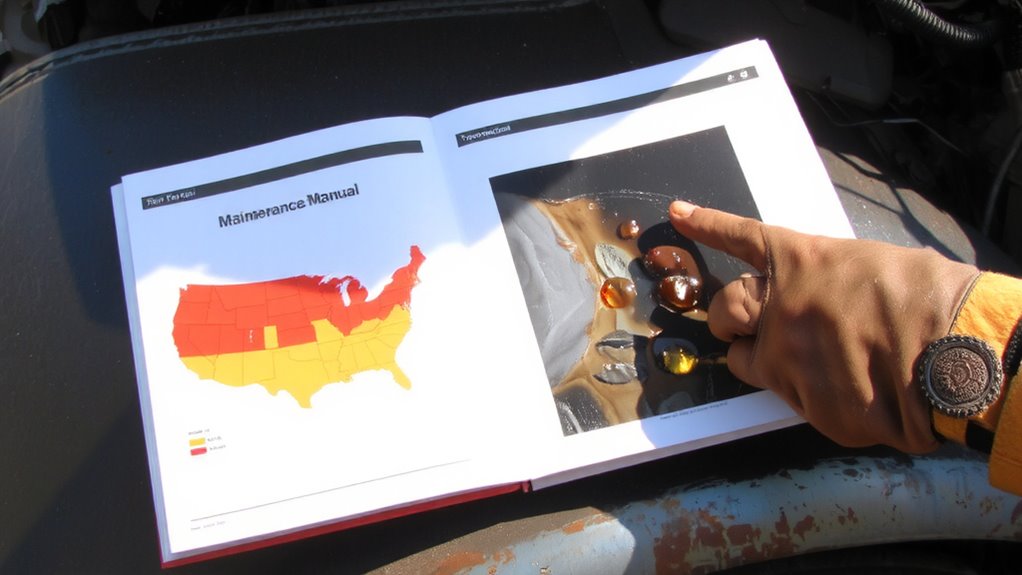
Have you ever wondered why your manual transmission oil breaks down faster in extreme heat? High temperatures accelerate thermal breakdown, degrading the oil’s molecular structure. Thermal breakdown reduces oil viscosity, impairing lubrication and increasing wear. Most manual transmission oils are formulated to maintain viscosity between -40°C and 150°C, but sustained heat beyond 150°C causes irreversible damage. As viscosity drops, the oil film weakens, allowing metal-to-metal contact. Synthetic oils resist thermal breakdown better than conventional oils, with some formulations stable up to 180°C. Oxidation, triggered by heat, forms sludge and acids, further reducing performance. Prolonged exposure above 120°C can halve oil life. You’ll notice gear shifts feel rougher as protection declines. Using oil with incorrect viscosity or poor thermal stability speeds deterioration. Always follow manufacturer specs for high-temp applications. Proper oil choice slows thermal breakdown, preserving transmission efficiency and longevity.
City Stop-and-Go vs. Highway Cruising: Which Wears Oil Faster?
City driving with frequent stops and starts degrades manual transmission oil faster than steady highway cruising. You subject your transmission to higher shift frequency, increasing friction and heat cycles. Each shift accelerates gear wear, introducing metal particles into the oil. These contaminants reduce lubricity and promote further wear. In city traffic, oil temperatures fluctuate widely-typically ranging from 180°F to over 220°F-breaking down additives faster. Highway cruising maintains stable temperatures near 195°F, minimizing thermal breakdown. Continuous loading on gears during steady operation produces less wear than the repetitive torque spikes in stop-and-go driving. Your transmission’s oil filters out debris, but high shift frequency overwhelms its capacity. Unlike highway conditions, urban driving limits oil cooling efficiency. Over time, this leads to sludge formation and reduced viscosity performance. For maximum longevity, expect to change oil 25% sooner if you primarily drive in cities.
Beat the Heat: Manual Transmission Oil Tips for Hot Climates
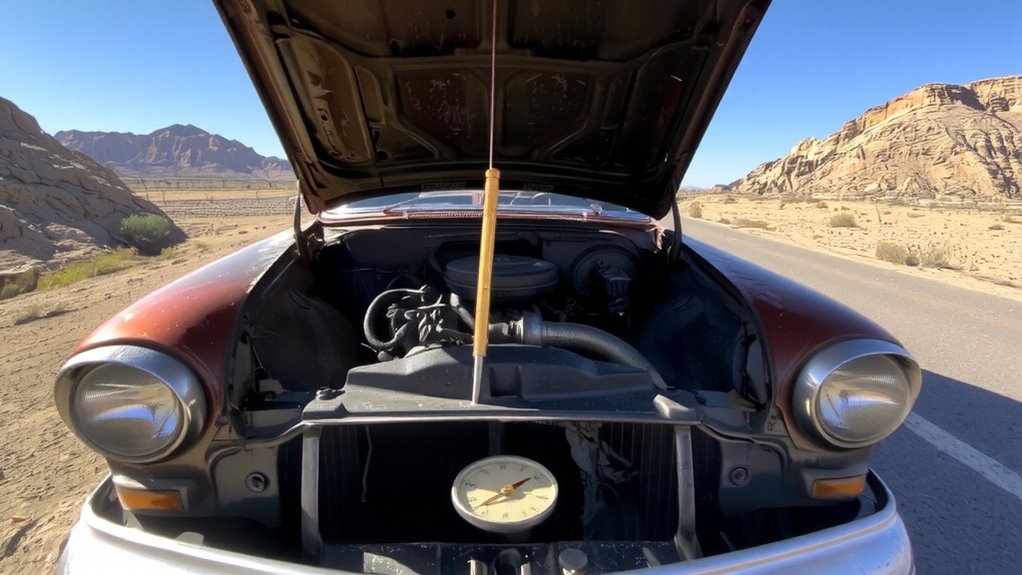
What happens when ambient temperatures soar above 100°F and your manual transmission oil is already running at 220°F under load? Heat degradation accelerates, reducing viscosity and film strength. Prolonged exposure leads to oil oxidation, forming sludge and increasing wear. You need oil that resists breakdown under extreme conditions.
| Climate Zone | Oil Viscosity | Change Interval |
|---|---|---|
| Hot Desert | 75W-90 GL-4 | Every 15,000 mi |
| Humid Subtropical | 75W-85 GL-4 | Every 20,000 mi |
| Coastal Arid | 75W-90 GL-4 | Every 18,000 mi |
Synthetic oils resist oil oxidation better than conventional. They maintain viscosity stability up to 250°F. You’ll avoid costly repairs by sticking to shorter intervals in high-heat zones. Don’t wait-heat degradation is invisible until it’s too late.
Cold Weather Fixes: Prevent Sludge in Winter Driving
A thick layer of sludge can cripple your manual transmission when winter temperatures drop below freezing. Sludge forms when moisture condenses inside the gearbox and mixes with old oil, especially during short drives. You must use a low-viscosity synthetic 75W-90 gear oil, which flows at -40°C and resists thickening in cold starts. This reduces gear wear by up to 40% compared to mineral oils. Before winter storage, run the vehicle for 20 minutes to evaporate internal moisture, then shut down hot to trap less water as it cools. Avoid frequent cold starts with stale oil-moisture accumulates rapidly below the dew point. Change your oil every 18 months in cold climates, even if mileage is low. Proper oil chemistry prevents sludge, maintains lubricity, and guarantees smooth shifts. Use only API GL-4–rated fluids-GL-5 can damage synchronizers. Preventive maintenance now avoids costly rebuilds later. For optimal performance, consider a top-rated 75W90 gear oil that meets the latest industry standards for cold-weather protection.
Mountain and Off-Road Driving: When to Change Transmission Oil Early
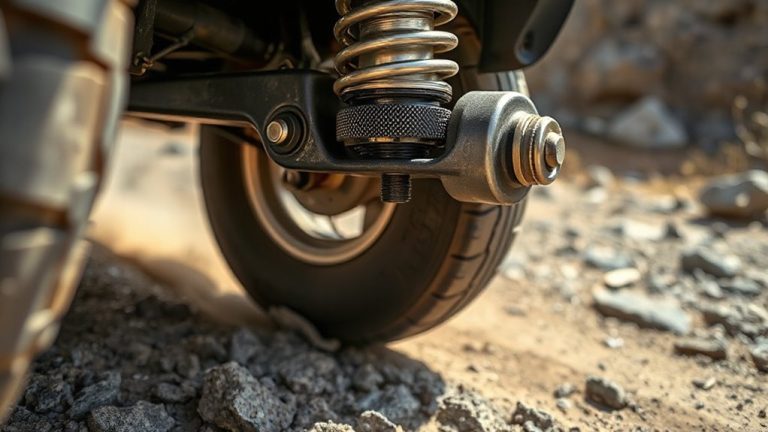
Extended exposure to high heat and sustained mechanical load breaks down transmission oil faster than cold weather alone, especially during mountain climbs and off-road crawls. You face higher gear grinding risk when oil degrades past its thermal limit of 260°F. Continuous low-speed, high-torque operation reduces lubricant film strength, accelerating clutch wear. Standard 75W-90 GL-4 oil lasts 30,000 miles under normal use but only 15,000–20,000 in severe grades. Synthetics extend life to 25,000 miles under similar stress. Pressure testing shows a 35% drop in hydraulic stability after 18,000 off-road miles. Inspect fluid every 10,000 miles; dark, metallic-tinged oil indicates metal shearing. Premature clutch wear correlates with extended drain intervals. You should change oil early-every 12,000 miles-if routinely driving steep grades or rocky terrain. Fresh oil maintains viscosity and protects against gear grinding and synchronizer damage.
On a final note
You must adjust your manual transmission oil change interval based on climate and terrain. In extreme heat above 95°F (35°C), oil degrades 40% faster due to thermal breakdown. Stop-and-go driving increases contamination, halving oil life versus steady highway cruising. Cold climates below 20°F (-6°C) risk sludge without proper viscosity grades like 75W-90. Mountain or off-road use demands changes every 15,000 miles due to added stress.