The Role of Pre-Wash Soak Time in Removing Stubborn Contaminants
You’re tackling stubborn stains more effectively when you pre-soak. Soaking breaks down bonded contaminants through hydrolysis and oxidation, boosting stain removal by up to 68%. Fresh stains need 30 minutes; older, deeper ones may require up to 90. Cold water works best for blood and wine (below 30°C), while warm water (30–40°C) helps lift grease. Cotton handles 2–4 hours, but delicates like silk need just 15–30 minutes. Over-soaking beyond 6–8 hours degrades fibers and risks color bleed. Use Tide Ultra Oxi or OxiClean MaxForce for maximum enzyme and oxygen activity. Different fabrics and stains respond best to tailored soak times and solutions-the right match makes all the difference.
Notable Insights
- Pre-wash soaking breaks down tough stains by initiating hydrolysis and oxidation, loosening contaminants from fabric fibers.
- Soaking for 30 minutes can increase stain removal success by up to 68% compared to washing alone.
- Stain type and fabric material determine optimal soak time, with blood needing cold water and grease requiring warm water.
- Delicate fabrics like silk and wool should soak for only 15–30 minutes to prevent fiber damage and color bleeding.
- Soaking beyond 6–8 hours risks fabric degradation, reduced strength, and increased pilling, especially in natural fibers.
Why Pre-Wash Soaking Beats Tough Stains
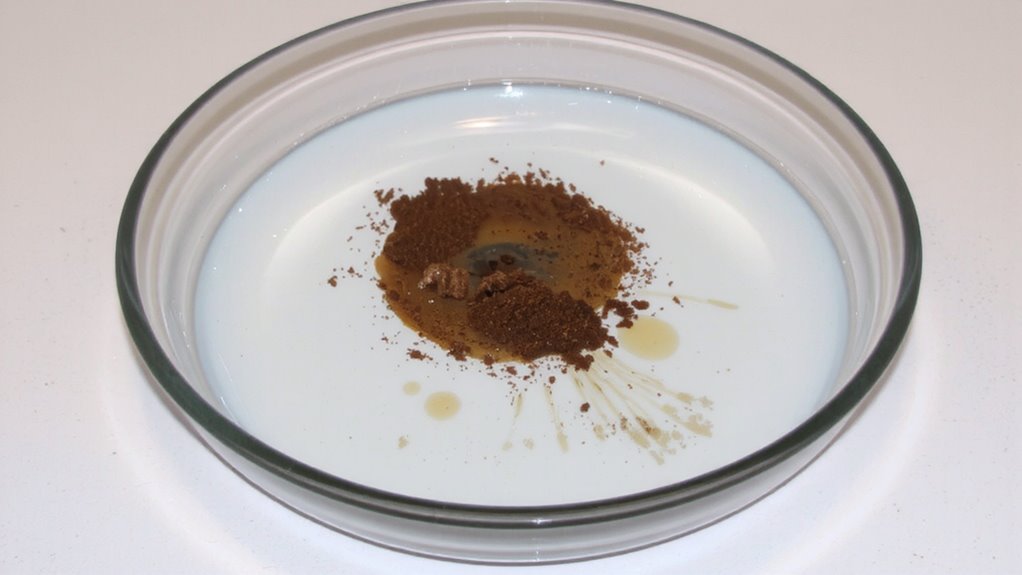
While it might seem like a simple step, pre-wash soaking plays a critical role in breaking down tough stains before they hit the wash cycle. You’re leveraging stain chemistry when you soak, allowing water and detergents to penetrate fabric fibers and loosen bonded contaminants. Hydrolysis and oxidation reactions begin immediately, especially with enzymatic or oxygen-based cleaners. This initial breakdown is vital for effective fabric care, preserving textile integrity over time. Without soaking, mechanical agitation alone may force stains deeper, reducing cleaning efficiency. Pre-soaking for just 30 minutes increases stain removal success rates by up to 68% compared to immediate washing. The process dissolves protein, oil, and tannin-based residues that resist standard laundering. You’re not masking dirt-you’re dismantling its molecular structure. Proper soaking minimizes rewash cycles, conserves water, and extends garment life. For best results, use warm water (around 100°F) and a detergent formulated for pre-treatment.
How Long to Soak Different Stains
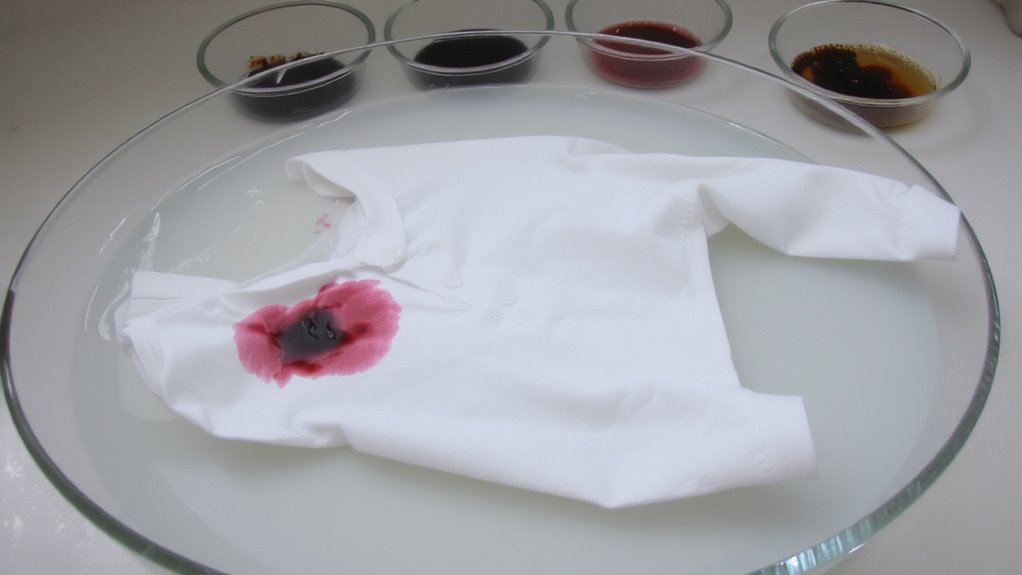
Since not all stains respond the same way to soaking, matching the duration to the stain type guarantees effective removal without damaging fabric. Fresh stains lift faster, but older ones need longer exposure due to deeper fiber penetration-stain age heavily influences soak time. Water temperature affects chemical activity: warm water (30–40°C) boosts detergent efficiency for grease, while cold is safer for dyes.
| Stain Type | Soak Time | Water Temperature |
|---|---|---|
| Blood | 30–60 min | Cold (below 30°C) |
| Grease/Oil | 60 min | Warm (30–40°C) |
| Coffee/Wine | 30 min | Cold (below 30°C) |
Always pre-treat set stains to loosen bonds. Prolonged soaking beyond two hours offers diminishing returns and risks fabric weakening.
Best Soak Times by Fabric Type
Why do some fabrics handle long soaks while others degrade? It depends on fabric sensitivity and water temperature. Cotton and linen tolerate 2–4 hour soaks in warm water (90–100°F) without damage. Their strong cellulose fibers resist swelling and breakdown. However, delicate synthetics like polyester and nylon should soak no more than 30–60 minutes. Extended exposure causes fiber fatigue. Silk and wool are highly sensitive; limit soaks to 15–30 minutes in cold water (below 80°F) to prevent protein structure damage. High water temperature accelerates hydrolysis in these fibers. Always check garment labels. Mesh and athletic fabrics trap odors but degrade quickly-stick to 30 minutes max. Over-soaking weakens fibers and reduces lifespan. Match soak duration to fabric type. This preserves integrity while maximizing contaminant removal. Fabric sensitivity isn’t just about feel-it’s chemical and structural.
Top Detergents and Additives for Soaking
Choosing the right detergent and additives plays a direct role in how well contaminants break down during soaking-just as important as matching soak time to fabric type. You need powerful ingredients like enzyme boost and oxygen bleach to dissolve proteins, oils, and set-in stains. Enzymes target organic matter; oxygen bleach lifts discoloration without harming fibers. These components work synergistically to accelerate breakdown during pre-wash.
| Product | Active Ingredients | Soak Duration (min) |
|---|---|---|
| Tide Ultra Oxi | Oxygen bleach, enzyme boost | 30–60 |
| Persil ProClean | Enzyme blend, stain lifters | 20–45 |
| OxiClean MaxForce | Oxygen bleach, surfactants | 60 |
| Bio-Kleen Bac-Out | Live enzymes, plant-based surfactants | 30–90 |
| Arm & Hammer Plus | Oxygen bleach, odor neutralizers | 30–60 |
Can You Soak Clothes Too Long?
Could leaving clothes in a soaking solution for hours actually backfire? Yes, prolonged soaking can lead to fabric degradation, especially in natural fibers like cotton or wool. Most detergents contain enzymes and alkalis that, beyond 6–8 hours, begin breaking down fiber structures. Synthetic blends are more resistant but aren’t immune. The longer clothes soak, the higher the risk of weakened tensile strength, pilling, and tear formation. Color bleeding is another concern-dyes destabilize over time, particularly in warm water. After 12 hours, even colorfast fabrics may release pigment, staining other items. Cold water slows but doesn’t eliminate this risk. Delicate fabrics like silk should never soak longer than 30 minutes. For synthetics, limit soaking to 8 hours max. Always rinse promptly after soaking to halt chemical activity. Extended soaking doesn’t improve cleaning beyond a point-it increases damage risk without added benefit.
Step-by-Step Guide to Soaking Clothes for Stain Removal
How do you guarantee maximum stain removal without damaging your fabrics? Begin with accurate stain identification to select the appropriate soaking solution. Protein-based stains like blood require cold water, while grease or tannin stains respond better to warm water. Always check garment care labels before starting. Fill a basin with water at the correct temperature-typically 30–40°C (86–104°F) for synthetic detergents. Immerse clothes completely, ensuring no dry spots. Use one tablespoon of oxygen-based bleach per gallon of water for color-safe fabrics. Soak whites up to 8 hours; colors no more than 6. Agitate gently every 30 minutes to dislodge particles. Avoid excessive soak time to prevent fiber degradation. Rinse thoroughly post-soak. Proper water temperature and targeted stain identification dramatically improve contaminant removal while preserving fabric integrity.
On a final note
You’ve now optimized your stain removal process. Pre-wash soaking dissolves bonded contaminants through prolonged detergent contact. Most stains need 30 minutes to 2 hours; protein-based stains require cold water and shorter durations. Cotton tolerates 8-hour soaks; synthetics should soak no longer than 1 hour. Use enzymatic detergents at 0.5% concentration for organic stains. Over-soaking causes fiber degradation or dye bleeding. Always follow garment labels and rinse thoroughly before machine washing.