Decoding the Chemistry Behind Water Spot Formation on Car Windshields
You’re seeing water spots when dissolved calcium and magnesium-common in hard water (>120 mg/L)-bond to your windshield. As water evaporates, surface tension concentrates these minerals into visible residues. Heat and sunlight accelerate crystallization, forming a 0.002–0.005-inch layer that etches glass over time. Acidic rain (pH <5.6) worsens damage by weakening the surface. Bonds strengthen with delayed cleaning, reaching adhesion forces over 35 mN/m. Permanent etching can occur after repeated exposure. Solutions with chelating agents and proper pH restore clarity-but only if addressed early.
Notable Insights
- Water spots form when dissolved minerals like calcium and magnesium remain after water evaporates from a windshield.
- Acidic rain with pH below 5.6 etches glass microscopically, making surfaces prone to permanent pitting over time.
- Hard water leaves behind a tightly bonded crystalline layer of calcium up to 0.005 inches thick on glass.
- Evaporation concentrates minerals at droplet edges due to surface tension, accelerating spot formation and crystallization.
- Delayed cleaning allows strong chemical bonds to form between minerals and glass, making spots nearly impossible to remove.
What Causes Water Spots on Car Windshields?
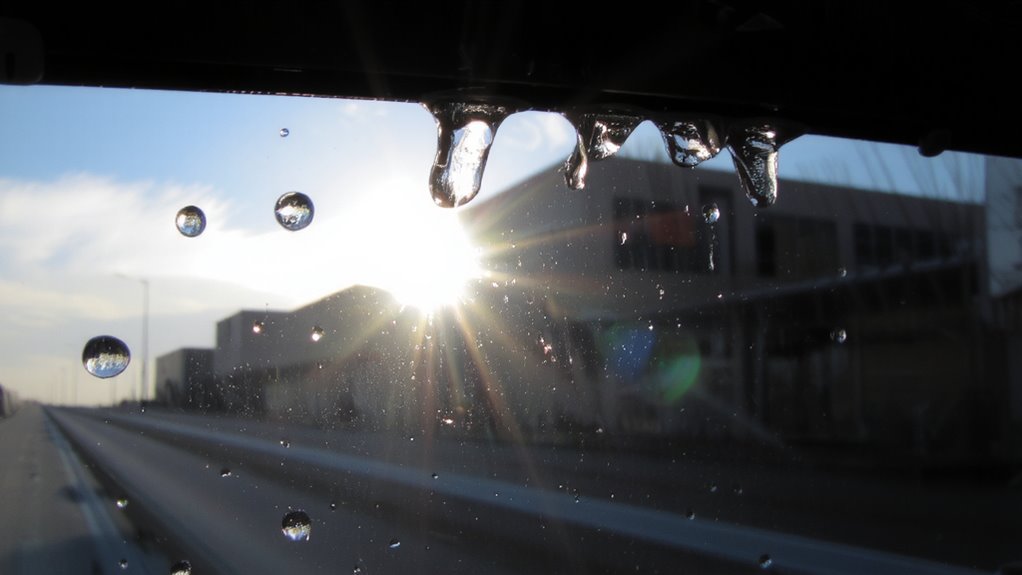
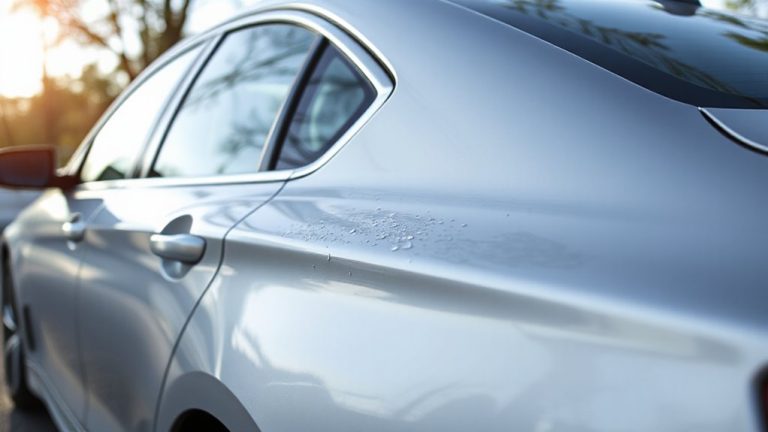
While rain may seem harmless, it can leave behind unsightly water spots when it dries on your car’s windshield. These spots form when water evaporates, leaving behind dissolved minerals and contaminants. A key contributor is pH imbalance in the water; acidic or alkaline levels outside the neutral 7.0 range accelerate residue buildup. Acidic rain, often with a pH below 5.6, reacts with windshield glass, promoting surface etching over time. This etching isn’t just cosmetic-it weakens the glass structure at a microscopic level. Each exposure increases pitting depth by up to 0.2 microns, compromising clarity. Surface etching becomes permanent when pH stays unbalanced after repeated exposures. Environmental pollutants compound the issue, bonding with minerals to form insoluble deposits. You can’t prevent rain, but understanding pH imbalance and its role in surface etching helps you take proactive steps. Regular cleaning with pH-neutral products minimizes long-term damage.
The Role of Hard Water in Mineral Deposits
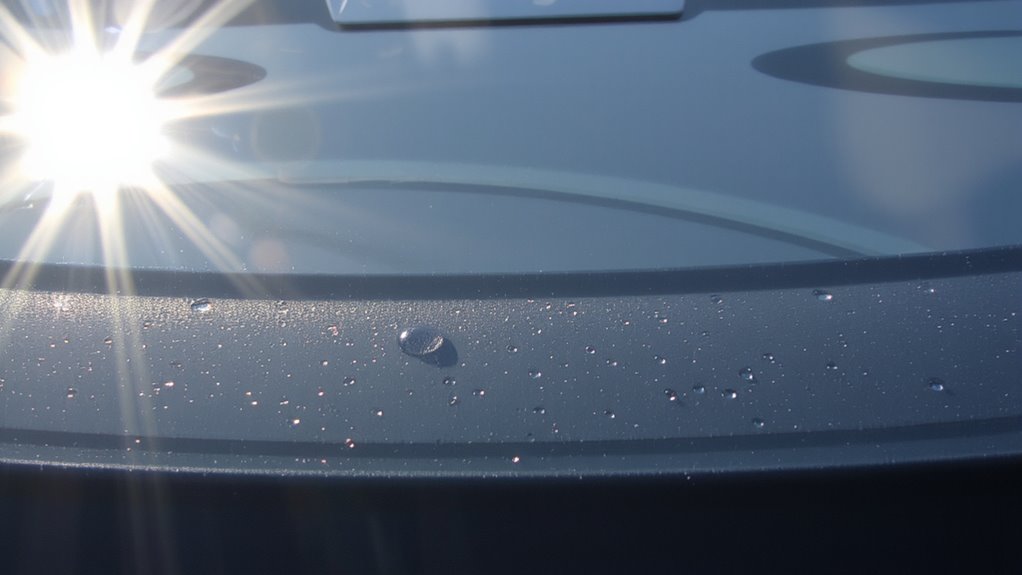
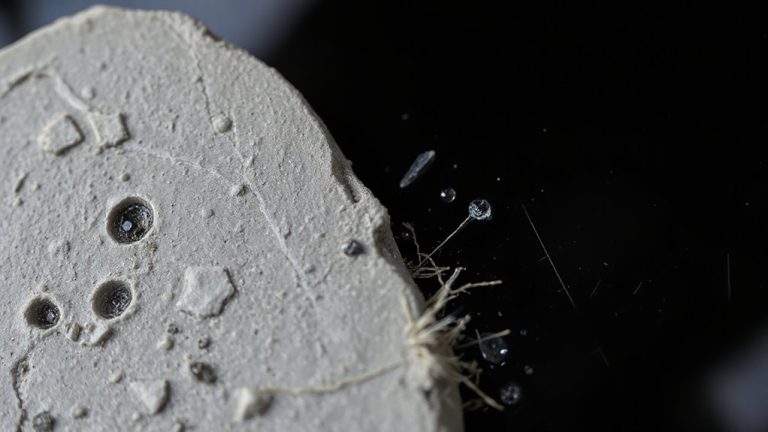
A significant number of water spots on car windshields come from hard water, which contains high concentrations of dissolved calcium and magnesium ions. These minerals remain on the surface after water evaporates. Calcium buildup forms a crystalline layer that bonds tightly to glass, often measuring 0.002 to 0.005 inches thick after repeated exposure. This scale resists regular washing and requires acidic solutions for removal. Magnesium residues, though slightly more soluble, contribute to surface roughness and light scattering, reducing optical clarity. Hard water with greater than 120 mg/L of combined calcium and magnesium carbonate is classified as “hard” by the U.S. Geological Survey. Prolonged exposure accelerates deposit accumulation. The minerals originate from groundwater flowing through limestone and dolomite. You can’t prevent their presence in rinse water, but you can mitigate their impact with proper drying techniques and water-repellent coatings.
How Evaporation Leaves Behind Unsightly Residue
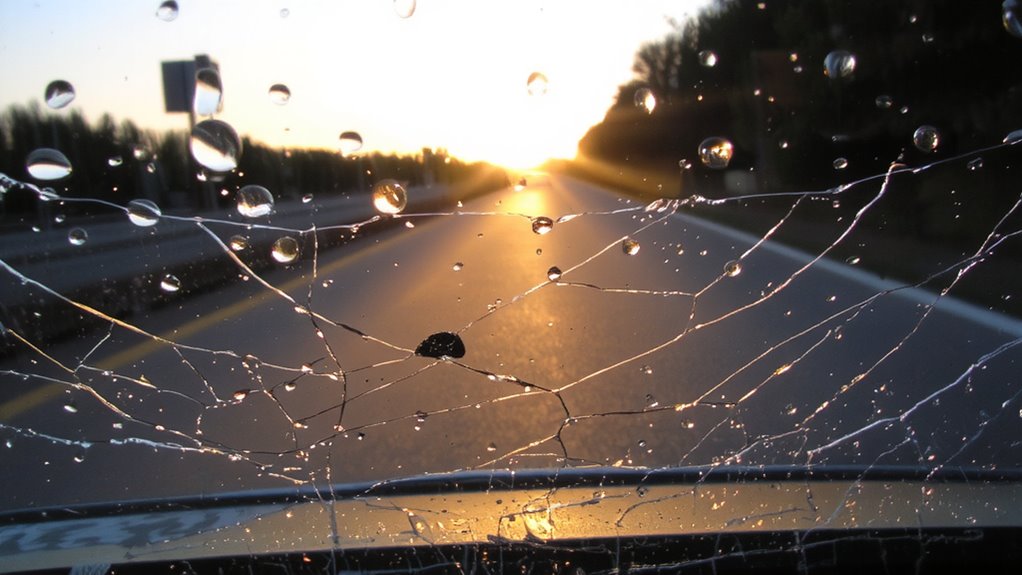
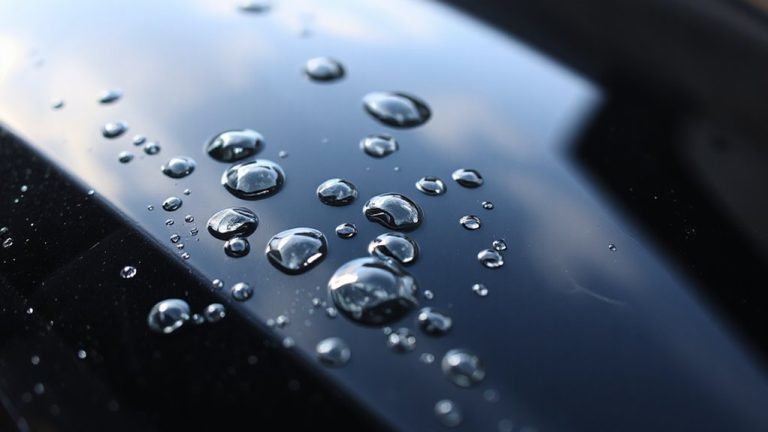
Water evaporates, and what’s left behind is rarely invisible. As droplets shrink, surface tension pulls them into tight beads, concentrating dissolved minerals at the contact point. You’re left with chemical residues where water once sat. These spots form because evaporation doesn’t carry impurities with it-only pure H₂O vapor escapes. Calcium, magnesium, and silica stay behind, bonding to your windshield. The smaller the remaining droplet, the higher the concentration of deposits. Surface tension guarantees minimal spread, creating dense, circular marks. Residues crystallize quickly under sunlight, especially on hot glass. Within minutes, they adhere firmly, making wiping less effective. Spot density depends on water volume, mineral content, and evaporation rate. Each bead acts like a tiny lens, focusing heat and accelerating drying. That’s why spots often appear in patterns matching how water pooled. Left uncleaned, residues etch into glass. Prevention means drying before evaporation completes.
Why Some Water Spots Are Harder to Remove Than Others
One spot might wipe away with a damp cloth, while another resists scrubbing and lingers like a stain fused to the glass. The difference lies in mineral content and drying conditions. High surface tension in hard water increases droplet contact angle, slowing evaporation and allowing more time for chemical bonding. When calcium or magnesium ions interact with silica in glass, they form stable bonds that resist removal. Environmental factors like heat accelerate this process, embedding residues deeper.
| Water Type | Mineral Content (ppm) | Bonding Strength (adhesion force in mN/m) |
|---|---|---|
| Rainwater | <50 | 12–18 |
| Tap Water | 100–300 | 18–25 |
| Hard Water | >300 | 25–35+ |
Surface tension and chemical bonding determine how firmly spots adhere. Higher mineral levels mean stronger interactions, making some spots far tougher to lift.
Preventing and Removing Water Spots With Chemistry-Based Solutions
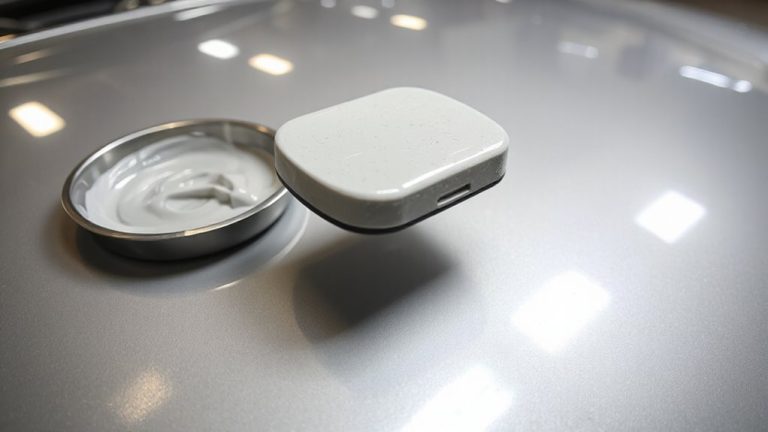
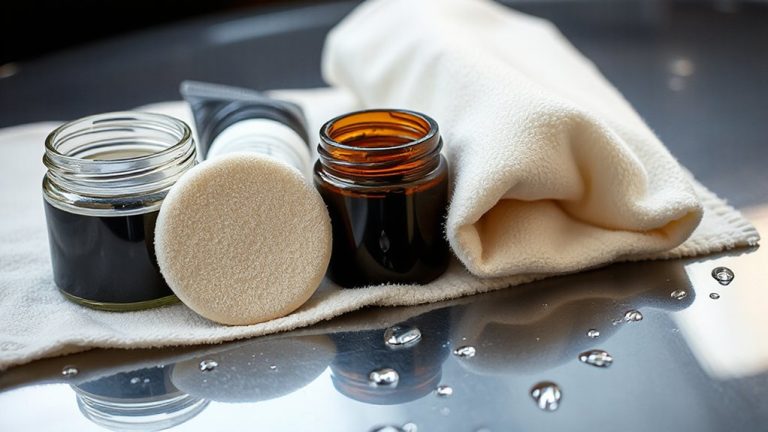
If you wait too long to address water spots, their chemical bonds can become nearly permanent. These deposits form when minerals in water react with glass surfaces under heat and sunlight. To prevent this, maintain your vehicle’s pH balance-opt for cleaning solutions between pH 6 and 8 to avoid etching glass. You should also use a water-repellent coating that lowers surface tension, causing water to bead and roll off before it dries. For existing spots, apply a chelating agent like ethylenediaminetetraacetic acid (EDTA), which binds to calcium and magnesium ions. Use a 2–5% solution with a microfiber applicator pad, then rinse thoroughly. Solutions with low surface tension spread more evenly and improve contact time. Most professional formulations include isopropyl alcohol (30–50%) to accelerate drying. Regular maintenance every two weeks reduces mineral buildup. Immediate drying after washing prevents spot formation entirely.
On a final note
You now understand water spots form when dissolved minerals in hard water-like calcium and magnesium-precipitate during evaporation. These deposits bond to glass at a molecular level, creating etched residues. Spot hardness correlates to mineral concentration, typically above 150 ppm. Acid-based cleaners at pH 2–4 dissolve these deposits effectively. Prevention requires consistent use of deionized water (0 ppm TDS) during rinsing. Chemistry confirms: proactive measures outperform remediation.