Install Winter Tires on Steel Wheels: Torque, Tread & Balance Specs
Choose winter tires with the 3PMSF symbol and studless ice-compound rubber for grip below 45°F. Pair them with factory-coated steel wheels-they resist cracking, corrosion, and pothole damage better than alloys. Mount using lubricant to protect sidewalls, seat beads at 10 psi, then inflate to 32–35 psi. Balance to under 0.5 oz-in with adhesive weights. Apply rust-inhibiting paint and silicone protectant every four weeks. Store upright at 30–35 psi in a cool, dark place. Proper setup guarantees long-term performance and safety. There’s more to optimizing your winter setup than just installation.
Notable Insights
- Use 3PMSF-rated winter tires with studless ice-compound rubber for optimal cold-weather traction and flexibility.
- Pair tires with factory-coated steel wheels to resist cracking, corrosion, and winter road impacts.
- Torque lug nuts to 80–100 ft-lbs using a calibrated torque wrench to ensure secure, even wheel mounting.
- Balance wheels digitally to within 0.5 oz-in and use adhesive weights to minimize imbalance and wear.
- Apply rust-inhibiting paint and silicone protectant, then store tires upright at 30–35 psi in a dry, dark environment.
Choose the Best Winter Tires for Steel Wheels
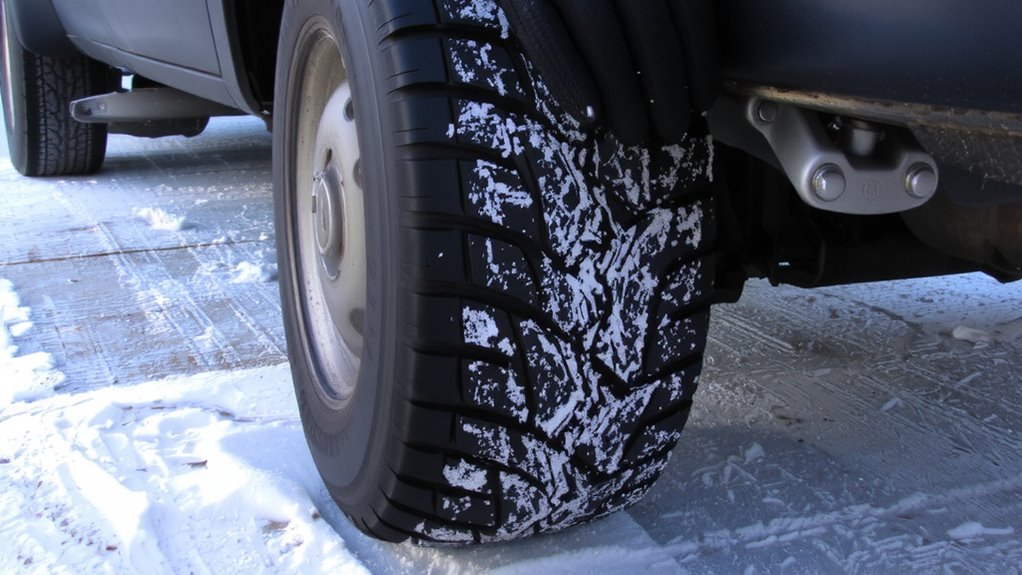
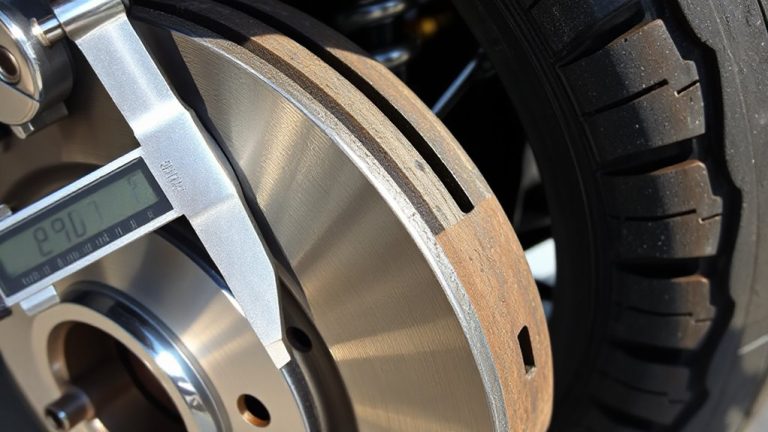
Winter tires aren’t just an accessory-they’re a critical safety upgrade for cold-weather driving. You need tires designed for temperatures below 45°F, where all-season rubber stiffens and loses grip. Look for the Three-Peak Mountain Snowflake (3PMSF) symbol-it confirms severe snow service capability. Your chosen winter tires must match your steel wheels’ diameter and load rating. Check the sidewall for load index and speed rating suitable for your vehicle. Tread depth matters; new winter tires start at 10/32” to 12/32”, deeper than all-seasons, ensuring snow traction as they wear. Deeper grooves evacuate slush and compacted snow efficiently. Monitor tire pressure monthly-cold air reduces pressure by about 1 psi per 10°F drop. Proper inflation maintains handling and tread contact. Underinflation causes uneven wear and reduces tread depth prematurely. Choose a studless ice-compound tire for best cold-weather flexibility and micro-grip on frost. For the Subaru Outback, top performers include the Best Winter Tires for Subaru Outback that balance grip, comfort, and tread life in harsh conditions.
Use Steel Wheels for Winter – Here’s Why
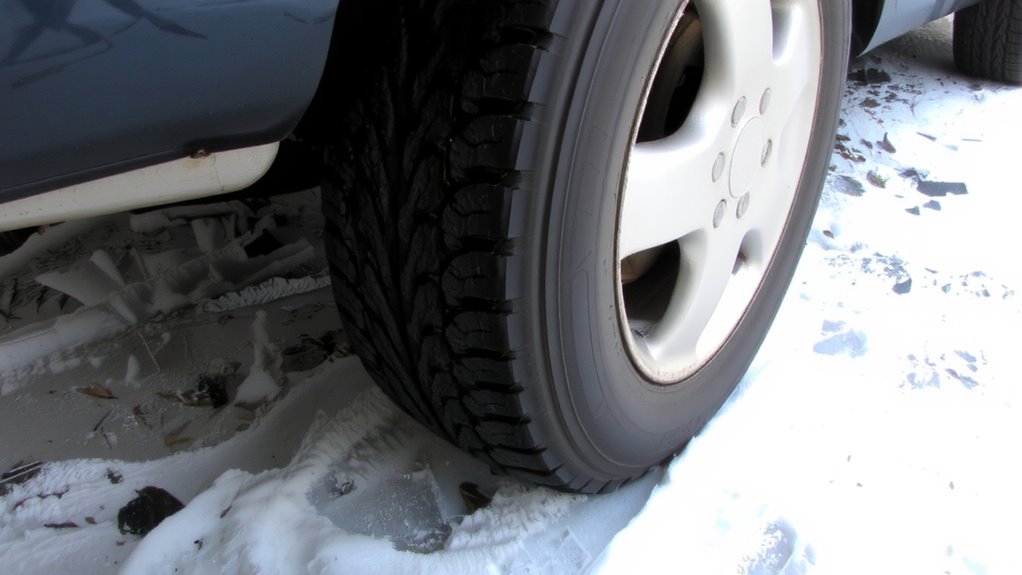
Your winter driving safety starts with the right wheel choice-steel beats alloy when temperatures drop. Steel wheels handle cold-induced stress better due to their higher ductility, reducing the risk of cracking. They offer superior corrosion resistance, especially when factory-coated, preventing rust from road salt and moisture. Unlike alloys, steel wheels don’t require frequent sealing or polishing. Their simpler construction handles potholes and ice better, absorbing impact without structural failure. You’ll also benefit from cost efficiency-steel wheels are typically 30–50% cheaper than alloy alternatives, making spare setups more affordable. Replacement costs stay low, and resale value remains stable in winter markets. Mounting winter tires on steel wheels protects your primary alloy set from seasonal wear. The combination delivers long-term savings, durability, and reliable performance. Choose steel for resilience, economy, and unmatched winter readiness.
Gather the Right Tools for the Job
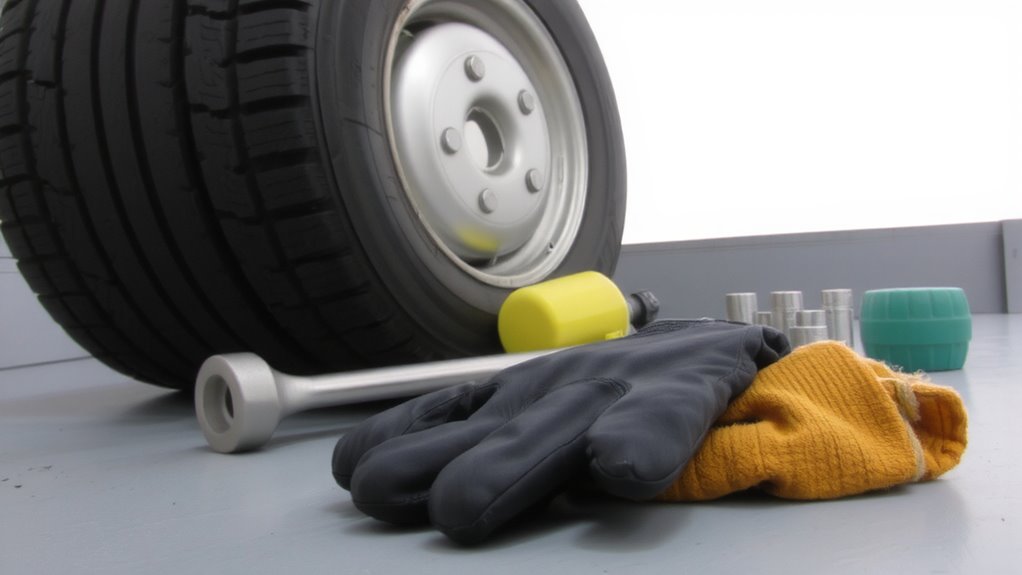
A successful winter tire installation starts with having the right tools on hand-skipping even one can lead to improper mounting or personal injury. You’ll need a torque wrench, calibrated to 80–100 ft-lbs, to secure lug nuts evenly and prevent warping. Use a reliable tire pressure gauge; accurate readings guarantee ideal tire pressure, critical for traction and wear. A floor jack with at least 3-ton capacity safely lifts your vehicle, while jack stands provide stable support. Include wheel chocks to prevent movement. For precise wheel alignment, use a digital alignment gauge or laser tool to measure camber and toe settings within manufacturer specs-typically ±0.5 degrees. Improper alignment causes uneven tread wear and reduces tire life. Always mount tires with valve stems rated for winter temps, and verify pressure after installation. Proper tools guarantee durability, safety, and peak winter performance.
Mount Winter Tires on Steel Wheels – Step by Step
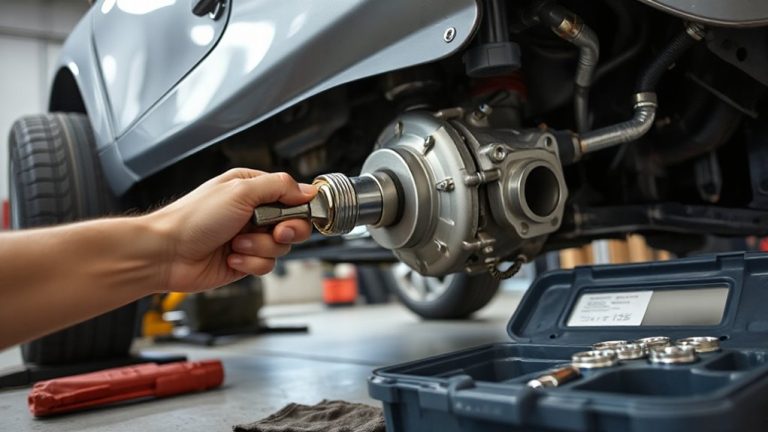
Now that you’ve assembled all necessary tools and safety equipment, you’re ready to mount winter tires on steel wheels. Begin by inspecting each tire for tread depth-ensure it’s at least 6/32 inches for maximum snow traction. Place the tire bead against the rim, then use a tire iron to lever it over the wheel edge. Apply lubricant to reduce friction and prevent sidewall damage. Inflate the tire slowly to 10 psi initially to help seat the bead. Once both beads are set, increase tire pressure to the manufacturer’s recommended level, typically 32–35 psi. Check for even seating by spinning the wheel slowly. Proper tire pressure preserves tread depth over time, ensuring consistent performance. A secure mount prevents air leaks and maintains structural integrity in freezing conditions. For optimal performance, choose from the best winter tires for pickup trucks that are engineered to handle heavy loads and extreme winter conditions.
Balance Your Winter Tires Like a Pro
Properly balanced winter tires are essential for smooth handling and even tread wear in cold conditions. Unbalanced tires cause vibrations, reduce tread depth longevity, and strain your suspension. Use a digital wheel balancer to measure imbalance in ounce-inches (oz-in), aiming for less than 0.5 oz-in tolerance. Attach clip-on or adhesive counterweights precisely opposite the heavy spot. Always check tire pressure before balancing-correct inflation (typically 32–36 psi, consult your doorjamb sticker) guarantees accurate results and maximum performance. Underinflated tires skew balance readings and accelerate uneven tread depth loss. Rotate tires regularly to monitor tread depth changes; maintain at least 6/32” for effective snow traction. Balancing after mounting guarantees uniform weight distribution, improving ride quality and fuel efficiency. Think of it like fine-tuning an engine-every gram matters. Proper balance extends tire life and enhances winter safety. A reliable manual tire changer ensures precise mounting and minimizes damage to wheel and tire beads during installation.
Stop Rust on Steel Wheels in Winter
Don’t let rust compromise the integrity of your steel wheels just because they’re built for winter duty. Rust prevention is critical when wheels face constant exposure to road salt and moisture. Steel wheels lack protective coatings found on alloys, making corrosion control a priority. Apply a rust-inhibiting primer before mounting tires, then finish with durable enamel paint rated for undercarriage use. The coating should be at least 3–5 mils thick to resist chipping. Check wheel surfaces monthly for chips or scratches, and repair them immediately with touch-up paint designed for metal. Store wheels indoors if possible during off-seasons to minimize humidity exposure. Even with protective finishes, condensation accelerates oxidation. Use silicone-based wheel protectants every four weeks during active use-they repel water without degrading rubber or paint. Proper rust prevention doesn’t just improve appearance; it maintains structural strength and guarantees long-term performance in harsh conditions.
Store Winter Tires to Last Longer
You can extend the life of your winter tires greatly by storing them correctly when not in use. Proper storage conditions prevent cracking, dry rot, and tread deformation. Store tires in a cool, dry, dark place-ideally between 40°F and 80°F-away from direct sunlight and ozone sources like motors or furnaces. UV exposure and temperature swings degrade rubber compounds over time. Keep tires clean and dry before storage; place them upright or on a rack to avoid distortion. If mounted on steel wheels, confirm they’re rust-free and slightly inflated-30 to 35 psi maintains shape without over-stressing sidewalls. Label each tire with its position and perform tire rotation tracking for even wear when reinstalled. Avoid hanging tires long-term; suspension by rim can deform bead areas. Proper storage conditions and routine tire rotation history recording guarantee peak performance and longer service life.
On a final note
You’ve maximized durability by pairing winter tires with steel wheels. Steel’s flexibility handles temperature swings better than aluminum. Mount tires properly using a calibrated tire machine to avoid bead damage. Balance each assembly to within 0.5 ounce for even wear. Apply a corrosion-inhibiting coating to wheel edges. Store sets vertically in a cool, dry place, away from sunlight. Proper care extends tread life by up to 30% over three seasons.