Oil Contamination Prevention in Intercooler Plumbing Due to PCV Byproducts
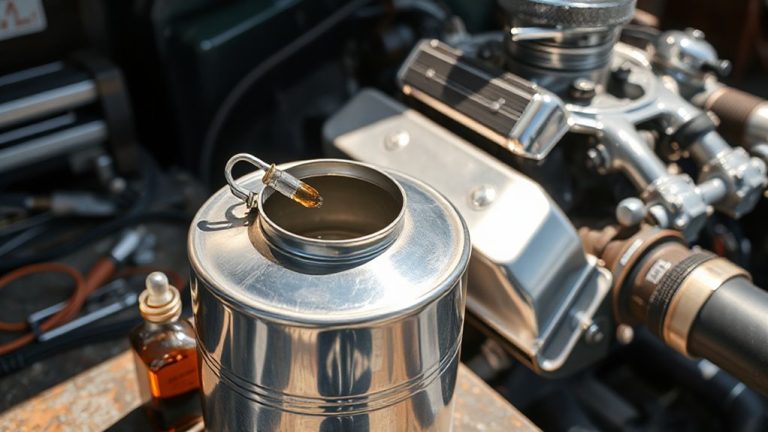
You can prevent oil contamination in intercooler plumbing by installing a baffled oil catch can. It captures 90% of oil droplets from PCV vapors before they reach the intercooler. Use a 4-ounce dual-chamber can with -10AN aluminum lines for turbocharged engines. Mount it vertically, below the PCV valve but above the oil pan. Connect inlet and outlet lines with sealed AN fittings. Drain every 3,000 miles to maintain flow efficiency. This setup stops sludge buildup and keeps your intake air clean. More details on optimizing placement and materials follow.
Notable Insights
- Install a high-efficiency catch can with multi-stage baffles to capture oil vapors before they reach intercooler plumbing.
- Position the catch can below the PCV valve but above the oil pan for optimal drainage and separation.
- Use -10AN or larger aluminum lines with sealed fittings to ensure durable, low-restriction routing from crankcase to intake.
- Choose a dual-chamber or 4-ounce catch can for turbocharged engines to handle higher volumes of PCV byproducts.
- Drain the catch can every 3,000 miles to maintain separation efficiency and prevent contaminant buildup in the system.
Why Oil Builds Up in Intercooler Hoses
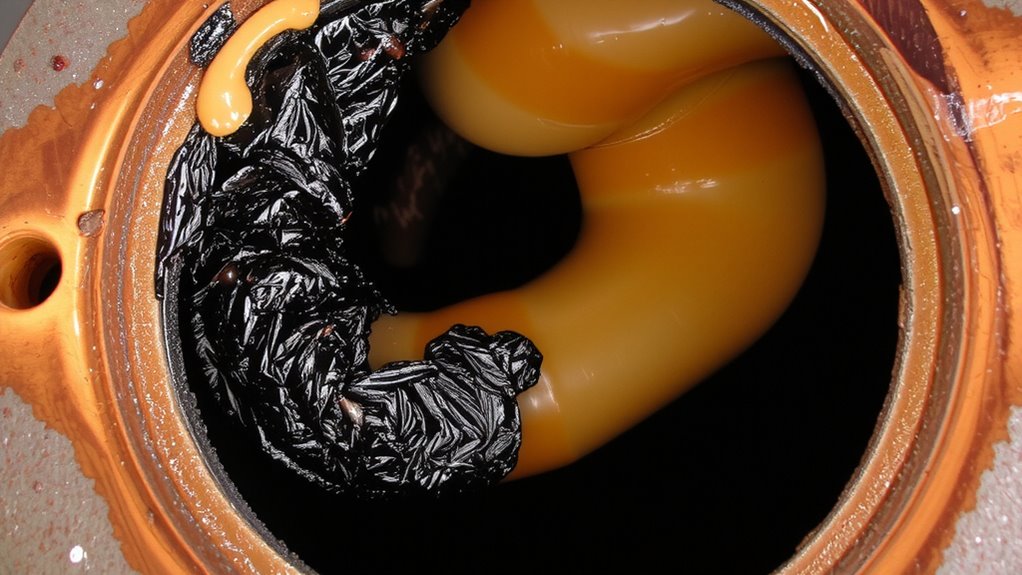
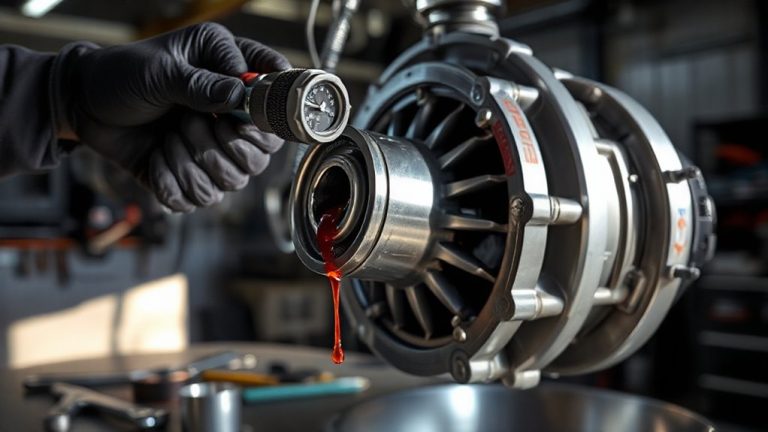
While turbocharged engines deliver impressive power, they also force small amounts of crankcase vapors into the intake system, and that’s where oil buildup in your intercooler hoses starts. These vapors carry microscopic oil droplets that cool and stick to interior hose surfaces. Over time, this leads to oil accumulation, especially in lower-temperature zones like intercooler plumbing. Standard silicone hoses resist heat but not chemical exposure. Constant contact with oil degrades inner liners, accelerating hose degradation. You’ll notice stiffening, cracking, or a swollen inner wall reducing airflow by up to 15%. Performance drops follow. After 30,000 miles, untreated hoses show measurable oil saturation. High-flow engines worsen it-blow-by increases with boost pressure. The result? Thick sludge coats the intercooler inlet, restricting airflow and lowering thermal efficiency. Oil accumulation isn’t just mess-it’s a direct threat to hose integrity and engine performance. Act before degradation compromises your system.
How PCV System Leaks Cause Oil Contamination
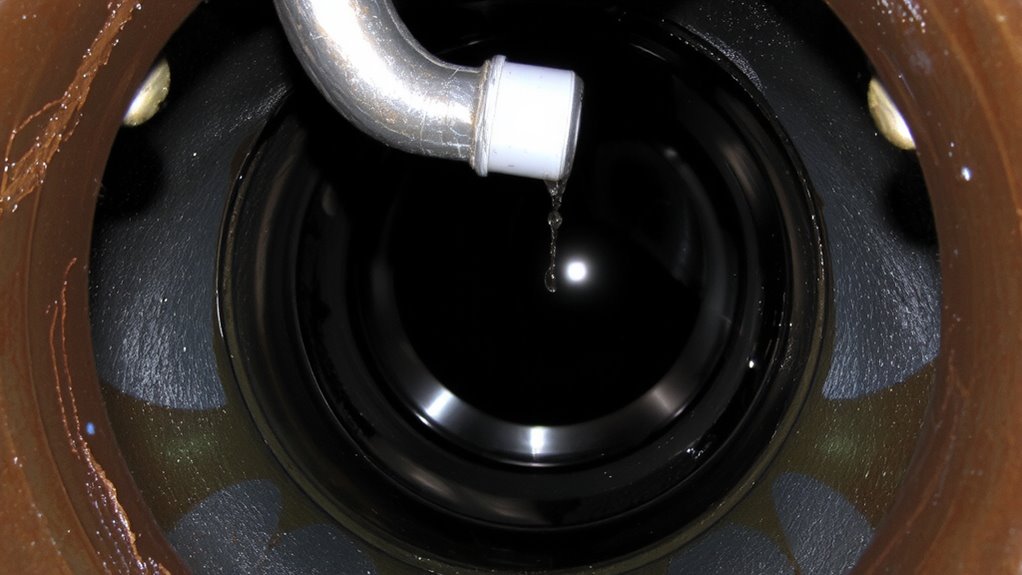
Why is your intercooler plumbing filling with oil faster than expected? A failing PCV system is likely to blame. When PCV failure occurs, the valve can’t regulate crankcase pressure properly. This excess pressure forces oil-laden vapors past seals and into the intake stream. Normally, the PCV system redirects these vapors back into combustion, but a stuck or clogged valve disrupts flow. Without proper ventilation, crankcase pressure builds, pushing sludge and oil mist into the intercooler plumbing. Over time, this contamination reduces thermal efficiency and increases intake temperatures. A typical PCV valve handles 10–20 liters per minute of vapor flow under idle conditions. When flow drops below 8 L/min, performance suffers. Leaks from cracked hoses or a warped valve body also allow unfiltered air in, worsening oil carryover. Addressing PCV failure early stops recurring buildup.
Signs Your Intercooler Plumbing Is Clogged
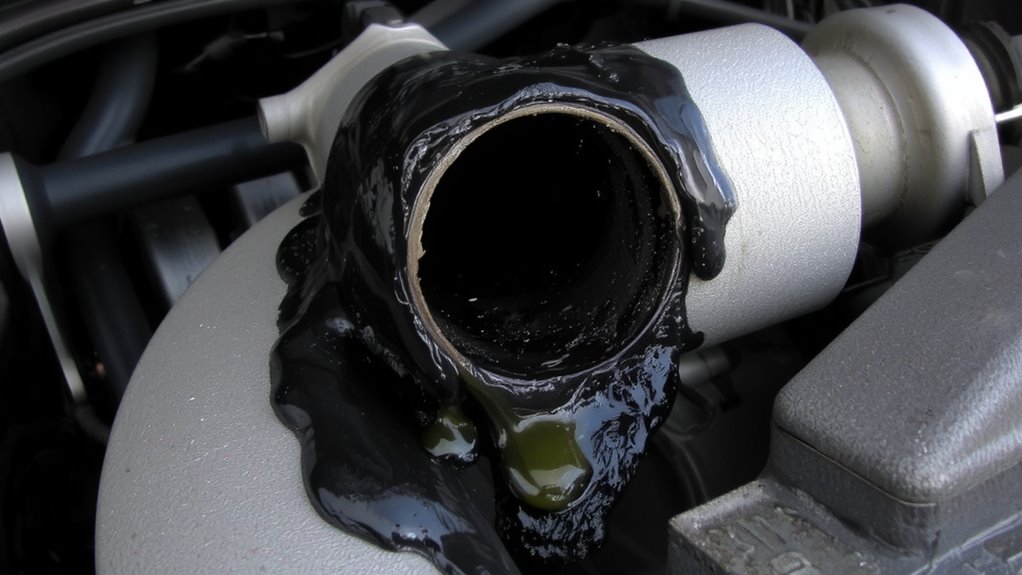
How can you tell when your intercooler plumbing is clogged? Reduced engine performance is a key indicator. You may notice slower boost response or lower peak pressure, often dropping below 15 psi on turbocharged engines. This happens because oil sludge restricts airflow in intercooler tubes, sometimes blocking over 30% of the passage diameter. Airflow sensors detect reduced mass flow, forcing the ECU to adjust fuel curves. That leads to poor fuel efficiency-drivers commonly report 2–4 mpg losses. You might see black exhaust smoke during acceleration, a sign of incomplete combustion from imbalanced air-fuel ratios. Check for oily residue in the intake tract or collapsed hoses. Use a borescope to inspect internal plumbing; visible grime means airflow disruption. These symptoms confirm restricted intercooler plumbing due to accumulated PCV byproducts. Ignoring them risks engine strain and long-term damage. Regular inspection prevents severe buildup.
How to Install a Catch Can on Your Car
If you’re dealing with oil vapor buildup in your intake system, installing a catch can is one of the most effective solutions to maintain engine efficiency and longevity. Mount the catch can vertically to guarantee proper fluid separation and drainage. Catch can placement matters-install it lower than the PCV valve but above the oil pan to prevent oil pooling. Connect the inlet to the crankcase breather hose and the outlet to the intake manifold, ensuring a sealed system. This maintains vacuum pressure balance, preventing unmetered air leaks. Use -10 AN fittings with aluminum hoses for durability and minimal restriction. The internal baffle system should include multiple chambers to condense vapor and trap contaminants. Choose a catch can with a transparent housing to monitor fluid levels easily. Regular draining every 3,000 miles guarantees peak performance.
Picking the Best Catch Can for Your Engine
While engine demands and operating conditions vary, selecting the right catch can guarantees effective separation of oil vapor from crankcase gases. You need strong catch can efficiency to trap fine oil mist before it reaches your intercooler. Units with multi-stage baffle systems and stainless steel mesh filters achieve over 90% separation efficiency, outperforming simple bottle designs. Engine compatibility matters-turbocharged and high-performance engines produce more blow-by, requiring larger 4-ounce or dual-chamber cans with AN10 fittings. Smaller 2-ounce models may suffice for stock naturally aspirated engines. Mounting location and hose routing affect performance; make certain -10AN or -12AN lines allow unrestricted flow without kinking. Choose a can that fits your engine bay and aligns with PCV system pressure dynamics. Proper selection prevents oil buildup, maintains intake cleanliness, and supports consistent engine performance over time.
How to Maintain Clean Intercooler Hoses
Ever wonder why your turbocharged engine loses a bit of pep over time, even with regular oil changes? Oil from PCV byproducts accumulates in your intercooler hoses, promoting hose material degradation and airflow restriction. These deposits reduce internal diameter and disrupt smooth airflow-sometimes by over 15%. Silicone hoses resist cracking and swelling better than rubber, lasting 50,000+ miles under normal conditions. Inspect hoses every 15,000 miles for brittleness, soft spots, or oil saturation. Use a borescope for internal checks if needed. Clean with isopropyl alcohol and a non-abrasive cloth; avoid solvents that accelerate hose material degradation. Replace hoses showing wall thickness loss or visible sludge. Install a high-flow catch can to reduce oil vapor reaching the intake. This simple step cuts contamination by up to 85%. Clean hoses mean consistent boost pressure, ideal air density, and sustained performance-keeping your turbo breathing freely.
On a final note
You must address oil contamination in intercooler plumbing to maintain engine efficiency. PCV byproducts carry oil vapor into intake systems, especially under high boost or worn seals. A properly installed catch can, like a 200-cell baffle design with 3/8” NPT fittings, captures 90% of contaminants. Mount it vertically in the intake tract’s pre-turbo section. Drain every 1,500 miles to sustain peak thermal and flow performance.