How to Prevent Undercarriage Rust During Winter Snow and Salt Exposure
Wash your undercarriage weekly with a 1,500 PSI pressure washer and 15°–40° nozzle to remove salt before corrosion starts. Use lukewarm water (~80°F) within 48 hours of exposure. Apply oil or wax-based rust coating in early fall above 50°F, targeting frame rails and wheel wells. Park in a garage or on a graded, paved surface to limit salt splash. Inspect every three months for bubbling paint or reddish residue on 3.2 mm brake lines. Seal chips immediately with zinc-rich primer and OEM-matched paint. Key protection steps follow a precise schedule and specification.
Notable Insights
- Wash the undercarriage weekly with a pressure washer to remove salt and prevent corrosion.
- Apply a rust-proof coating before winter in dry conditions above 50°F for effective protection.
- Park in a garage or on a slight incline to reduce salt exposure and improve moisture drainage.
- Inspect the undercarriage every three months for early signs of rust on frame rails and brake lines.
- Seal paint chips immediately with primer and matching enamel to prevent moisture intrusion and rust.
Wash Your Undercarriage Weekly in Winter
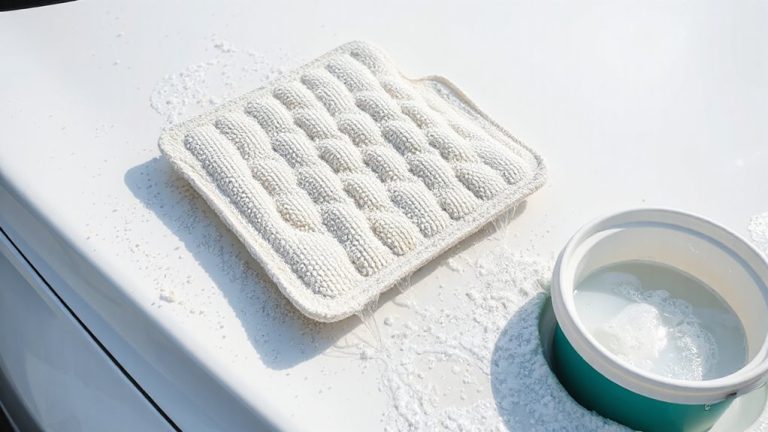
Regularly washing your undercarriage during winter is essential to prevent rust buildup. Weekly washing greatly reduces corrosion risks caused by road contaminants. Salt removal is the primary goal, as sodium chloride accelerates metal degradation. Road salt retains moisture, creating an electrolytic environment that promotes oxidation even after driving ends. A pressure washer with a minimum 1,500 PSI output effectively dislodges packed debris. Use a dedicated undercarriage spray nozzle for best angle coverage, typically between 15° and 40°. Focus on frame rails, suspension components, and wheel wells-common salt accumulation zones. Wash within 24 to 48 hours after exposure for maximum effectiveness. Lukewarm water (around 80°F) enhances salt solubility. Avoid high-heat settings that can damage rubber bushings. Consistent weekly washing interrupts the electrochemical corrosion process. This routine extends vehicle lifespan and maintains structural integrity. For added protection after cleaning, consider applying a best car rust remover to vulnerable metal surfaces.
Apply Rust-Proof Coating Before Snow Falls
Before the first snowfall, you should apply a rust-proof coating to your undercarriage-this proactive step blocks moisture and corrosive agents from reaching vulnerable metal surfaces. Proper application timing is critical; apply the coating in dry conditions when temperatures are above 50°F (10°C) to guarantee adequate adhesion and curing. Early fall is ideal, before road salt use begins. Common coating types include oil-based, wax-based, and rubberized sprays. Oil-based products, like fluid film, offer self-healing properties and penetrate existing rust. Wax-based coatings provide a hard, durable shield but require clean application surfaces. Rubberized coatings form a thick barrier effective against stone chips and salt spray. Most products need reapplication every 1–2 years. Guarantee complete coverage on frame rails, suspension components, and wheel wells. For long-term protection, consider one of the best car undercoating products recommended for durability and ease of application.
Park to Avoid Salt Buildup Under the Car
When possible, park in a garage or covered area to minimize exposure to road salt and moisture accumulation underneath your vehicle. Garage storage greatly reduces contact with corrosive elements, especially during winter months. Enclosed spaces limit airborne salt particles and melting snow runoff. If garage storage isn’t available, consider driveway placement that elevates the vehicle slightly, promoting undercarriage airflow and faster drying. Position the car on a slight incline-ideally 2% to 5%-to encourage water drainage from critical zones like frame rails and control arms. Avoid low-lying spots where brine pools. Paved surfaces reduce splash-back compared to gravel or bare soil. Concrete driveways with proper grading further limit moisture retention. Over time, strategic parking reduces chloride concentration on metal surfaces by up to 60%, delaying electrochemical corrosion. Smart driveway placement acts as a passive defense, complementing active rust prevention measures.
Spot Early Rust: Check Key Undercarriage Parts
How quickly can small signs of corrosion turn into major structural issues? Very fast-within months, surface rust can penetrate critical components. You must inspect your undercarriage every three months during winter. Focus on the frame rails-look for paint bubbling or pitting, early signs of frame cracks. Unaddressed, these weaken load-bearing structures, compromising vehicle integrity. Check brake lines carefully; they’re thin-walled steel tubes, typically 3.2 mm in diameter, running along the frame. Corrosion can eat through them, causing fluid leaks and brake failure. Use a flashlight to scan for reddish residue or flaking metal. Rubber hoses may hide rust, so probe around clamps and fittings. Even minor corrosion on suspension mounts or exhaust hangers can escalate. Catching rust early on these parts prevents expensive repairs and guarantees safety. Regular visual checks are your best defense.
Seal Paint Chips Before They Cause Rust
Surface damage to your vehicle’s paint isn’t just unsightly-it’s an open invitation for rust. Even a small chip exposes bare metal to moisture and road salt. That exposure starts corrosion within days in winter conditions. You must seal paint chips immediately to maintain the factory barrier. Start with a precise touch up using automotive-grade enamel paint matched to your VIN-specific color code. Apply after a proper primer application to guarantee adhesion and corrosion resistance. Use a zinc-rich primer for undercarriage chips; it provides galvanic protection similar to factory e-coating. Apply primer with a microbrush, let dry 20 minutes, then add two thin touch up layers. Each coat should be no thicker than 2 mils to prevent runs. Allow 72 hours cure time before exposure to snow or washes. Proper sealing stops rust at the source. Prevention here is cheaper and more effective than repair later.
On a final note
You must act before salt and moisture compromise your undercarriage. Weekly high-pressure washes remove corrosive sodium chloride buildup. Apply a 10-micron oil-based rust inhibitor like Fluid Film or 3M Professional Rustproofing annually. Park on asphalt or concrete to limit road splash. Inspect frame rails, control arms, and exhaust hangers monthly. Seal any paint chip deeper than 0.5 mm immediately with epoxy primer.