Checking Power Steering Fluid Color and Contamination Level Under 30,000 Miles
Check your power steering fluid every 5,000 miles, especially before 30,000 miles. Fluid should be red, pink, or light amber-clear and translucent. Dark, cloudy, or milky fluid indicates degradation or moisture contamination. Burnt smells or sludge signal internal damage. Even new cars can harbor machining residues that accelerate wear. Use only OEM-specified fluid after a complete flush if contamination is found. Maintaining clean fluid prevents pump cavitation and extends system life. There’s more to optimizing performance than just color inspection.
Notable Insights
- Check power steering fluid level and color every 5,000 to 7,500 miles, ideally with each oil change.
- Fresh fluid is red, pink, or light amber; dark brown or black indicates heat degradation or old fluid.
- Cloudy, milky, or foamy fluid suggests moisture contamination and requires immediate attention.
- Burnt smell or visible sludge signals internal damage and risk of pump failure.
- Inspect fluid before 30,000 miles even if maintenance schedule allows longer intervals.
How to Find and Check Power Steering Fluid
Power steering fluid is essential for smooth steering operation, and checking it regularly helps prevent premature wear. You must identify the reservoir location first-it’s usually near the front of the engine bay, close to the firewall or on the driver’s side strut tower. The cap is often red or yellow and labeled “power steering.” Open the hood and inspect the reservoir, which is typically semi-transparent with min/max markings. Check the fluid level when the engine is warm and off. Pull the dipstick if equipped, wipe it clean, reinsert, then remove to read the level accurately. Use only the recommended fluid type-often ATF or synthetic hydraulic fluid-specified in your owner’s manual. Using the wrong fluid type can damage seals and reduce system efficiency. Maintain proper levels to avoid air ingestion and pump cavitation.
What Color Should Power Steering Fluid Be?
It’s not just the level that matters-what you see when you check the fluid tells you just as much about your system’s health. Fresh power steering fluid is typically red or pink, with high fluid clarity and a translucent appearance. This color helps you distinguish it from other automotive fluids. Over time, heat and friction degrade the fluid, darkening it to amber or brown. Clear fluid indicates proper function and minimal wear. Contamination signs include cloudiness, a foamy texture, or dark particles suspended in the liquid. These suggest moisture ingress, worn seals, or debris from internal components. Some synthetic formulations remain stable up to 100,000 miles, but most mineral-based fluids degrade by 30,000 miles. Fluid clarity diminishes with oxidation, reducing hydraulic efficiency. A milky appearance signals water contamination, which compromises lubrication and may damage the pump. Check color regularly to catch issues early.
How to Spot Bad Power Steering Fluid Early
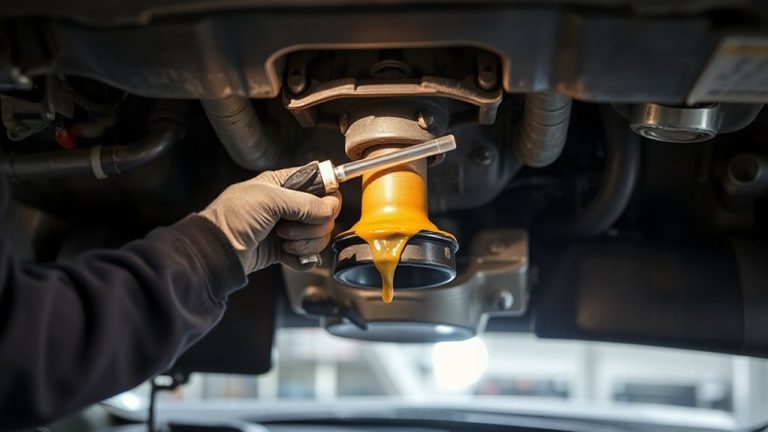
A quick visual check can save you from costly repairs down the road. Pull the dipstick and examine the fluid. Fresh power steering fluid is clear, amber, or light pink. If it’s dark brown or black, degradation has occurred. Check the fluid odor-burnt or sour smells indicate contamination or overheating. Particulates or sludge on the dipstick signal internal wear. Temperature changes impact fluid viscosity; extreme heat breaks down additives, reducing lubricity. Consistent operating temps (140–180°F) keep fluid stable. Rapid spikes, often from heavy steering use or system strain, accelerate oxidation. Foaming suggests air in lines, often from low fluid or leaks. Foam reduces hydraulic efficiency and increases wear. Test fluid on a white paper towel-dark stains or grit mean it’s time for a flush. Early detection prevents pump failure and steering degradation. Monitor color, smell, and texture every 7,500 miles.
Why Even New Cars Need Fluid Checks
Even brand-new vehicles aren’t immune to fluid degradation, and assuming your car’s power steering system stays in perfect condition just because it’s fresh off the lot can lead to avoidable issues. Fluid chemistry begins changing the moment it’s exposed to heat and pressure, even during normal driving. New systems generate friction, producing microscopic metal particles that mix with the fluid. These contaminants accelerate wear and alter performance. Manufacturing residues-leftover from assembly-can also linger in hoses and reservoirs, compromising fluid integrity. These impurities include machining lubricants and sealants not fully flushed during production. Over time, they react with additives, reducing lubrication efficiency. Most manufacturers use synthetic hydraulic fluids rated for at least 50,000 miles, but early contamination skews that timeline. Checking fluid condition before 30,000 miles detects problems early. A simple visual inspection reveals cloudiness or particulates indicating contamination. Proactive checks preserve steering response and system longevity.
What to Do If Your Power Steering Fluid Is Contaminated
How do you respond when your power steering fluid shows signs of contamination? You initiate a complete fluid flushing to remove debris, moisture, and degraded additives. Contaminated fluid often appears dark brown or black and may have a burnt smell, indicating breakdown under heat and pressure. Perform a thorough system inspection to identify worn seals, failing pumps, or hose degradation. Look for sludge in the reservoir or metal particles in the fluid-signs of internal wear. Use only manufacturer-specified fluid during refill to maintain viscosity standards, typically ISO 2941. Improper fluid can damage sensitive valves and reduce steering response time by up to 30%. A proper fluid flushing restores smooth operation and prevents premature wear. Ignore contamination, and you risk pump failure, costing $300–$600 in repairs. Act now-your steering precision depends on clean, effective hydraulic transmission.
How Often to Check Power Steering Fluid
Regularly checking your power steering fluid guarantees long-term system reliability and prevents unexpected failures. You should inspect fluid levels every 5,000 to 7,500 miles or with each oil change. This frequency secures early detection of leaks or degradation. Follow your vehicle’s maintenance schedule, as some manufacturers recommend checks every 20,000 miles under normal conditions. Modern systems use hydraulic pressure, typically ranging from 500 to 1,500 psi, relying on consistent fluid volume for proper operation. Low fluid levels reduce pressure, leading to stiff steering and pump damage. Use the dipstick to verify fluid is between the MIN and MAX marks. Overfilling causes aeration; underfilling introduces air into the system. Contaminants and foaming reduce heat dissipation and wear components. Sticking to a routine check preserves seal integrity and secures responsive steering performance.
On a final note
You should check your power steering fluid regularly, even under 30,000 miles. Fresh fluid is typically clear, amber, or light red, indicating proper viscosity and hydraulic efficiency. Dark, cloudy, or gritty fluid suggests contamination or thermal breakdown. Contaminants reduce lubricity and can damage the pump and rack-and-pinion assembly. Use only manufacturer-specified fluid, such as Dexron VI or CHF-11S, to maintain system integrity.