The Role of Temperature in Maximizing Car Maintenance Treatment Efficacy
Temperature controls how well your car maintenance treatments work. Cold below 50°F reduces paint adhesion by 30% and thickens 10W-30 oil, cutting flow. Heat over 250°F degrades oil and softens clear coats. Apply waxes and ceramics between 60°F and 80°F for proper curing. Tire sealants disperse evenly at 70°F. Keep humidity under 50% to prevent corrosion. Ideal conditions guarantee maximum treatment durability and performance. You’ll discover the best practices for each season next.
Notable Insights
- Apply wax and ceramic coatings between 60°F and 80°F to prevent hazing and ensure proper adhesion.
- Use synthetic oils in cold weather to maintain fluidity and protect engines at temperatures below -20°F.
- Avoid applying paint treatments below 50°F to prevent reduced adhesion and long-term durability issues.
- Maintain tire pressure during seasonal temperature drops, as pressure decreases by 1 PSI per 10°F.
- Store vehicles in environments below 75°F and 50% humidity to minimize corrosion and fluid degradation.
Why Temperature Affects Car Maintenance
While temperature itself doesn’t directly break your car, it does accelerate wear and stress key systems in predictable, measurable ways. Thermal expansion causes metal components like engine blocks and suspension parts to expand when hot and contract when cold. Repeated cycles create microscopic cracks, especially in aluminum alloys, reducing part lifespan by up to 30% over time. You’ll notice joint misalignments and seal failures, particularly in exhaust manifolds and wheel hubs. Moisture condensation forms when warm, humid air contacts cold surfaces, such as under the hood at night. This trapped water promotes corrosion on electrical connectors and brake rotors. Relative humidity above 60% increases condensation risk, and in steel parts, rust can initiate within 48 hours. These processes degrade performance silently. Monitoring temperature fluctuations and using protective coatings minimizes damage. Preventive maintenance must account for both thermal expansion and moisture condensation to guarantee system integrity.
How Cold Weather Ruins Oil and Wax Jobs
Cold weather hits your engine oil and wax job harder than you might think. As temperatures drop below 32°F, oil thickens, reducing its ability to flow and lubricate. At -20°F, conventional 10W-30 oil can lose over 60% of its fluidity, increasing engine wear during startup. Synthetic oils like 0W-20 maintain viscosity down to -40°F, offering better cold-weather protection. Meanwhile, frozen seals become rigid, losing elasticity and compromising engine and door gaskets, which can lead to leaks or moisture intrusion. Your car’s wax coating also suffers. Most wax contains natural carnauba, which hardens and cracks in low temperatures. The result? Brittle wax that flakes off, leaving paint exposed to salt and moisture. Even polymer-based sealants lose hydrophobic properties below 25°F. Reapply wax in spring and consider cold-grade protectants to preserve finish integrity. For optimal performance in freezing conditions, choosing the right tires for Kia Soul can significantly improve traction and safety.
What High Heat Does to Your Engine and Coatings
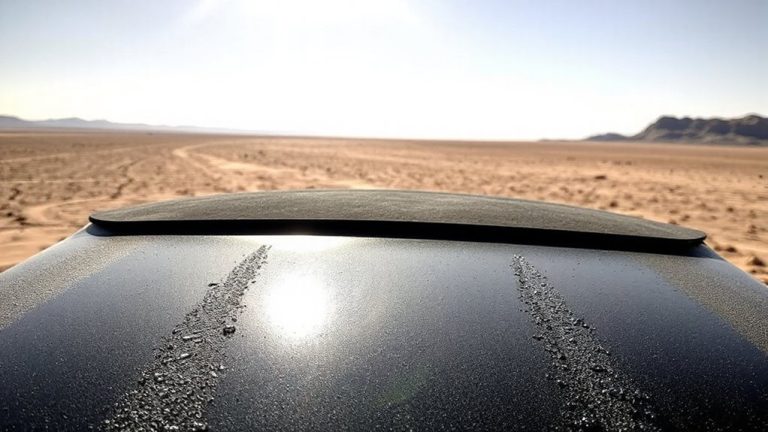
Ever wonder why your engine struggles on a 100°F afternoon? High heat causes thermal expansion, where metal parts swell beyond normal tolerances. This stresses pistons, cylinders, and bearings, increasing friction and wear. Prolonged exposure leads to component fatigue, weakening critical engine parts over time. Aluminum heads expand faster than steel bolts, risking warping or head gasket failure. Under-hood temps can exceed 250°F, degrading conventional oil and reducing lubricity. Engine coatings, like ceramic exhaust treatments, begin breaking down above 1,200°F, losing insulating effectiveness. Paint clear coats soften near 180°F, making them prone to micro-cracking and UV damage. Thermal cycling-repeated heating and cooling-amplifies stress fractures in plastic and rubber engine covers. You’re not just losing efficiency; you’re accelerating mechanical decay. Preventive attention to heat-resistant materials and proper clearances helps maintain structural integrity and long-term performance under extreme thermal loads.
Best Temperatures for Common Car Treatments
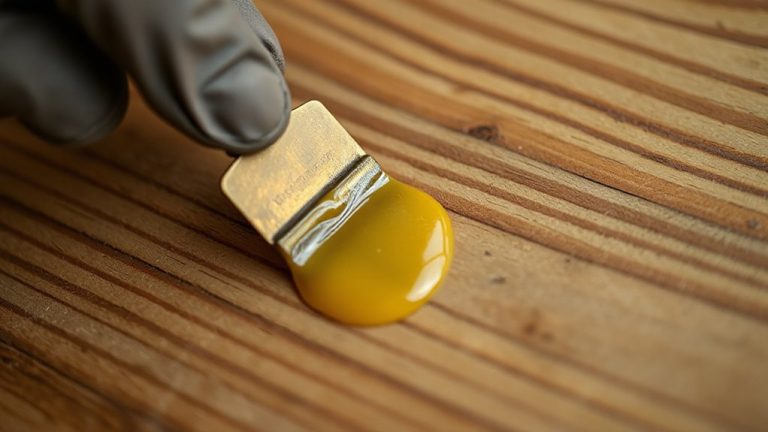
A well-maintained vehicle relies on treatments applied within their ideal temperature ranges for maximum effectiveness. Apply wax and ceramic coatings between 60°F and 80°F, as extreme heat from ambient sunlight can cause premature drying and hazing. Tire sealants work best at 70°F, guaranteeing even dispersion without over-pressurization. Interior protectants need stable cabin humidity-ideally 40–60%-to prevent cracking or sticky residues. Cold temperatures below 50°F inhibit paint adhesion, reducing scratch resistance by up to 30%. Fuel system cleaners perform effectively at operating temps, around 195°F engine heat, breaking down deposits more efficiently. Avoid direct ambient sunlight during application, as UV exposure skews chemical curing. Brake pad bed-in procedures require surface temps between 350°F and 450°F for proper transfer film formation. Always verify product specs, as deviations from recommended ranges compromise durability. Precision in temperature guarantees treatments deliver peak protection and performance.
How to Maintain Your Car in the Right Conditions
While environmental factors play a critical role in vehicle longevity, maintaining your car under ideal conditions starts with controlling exposure to temperature extremes and humidity. Cold weather reduces tire pressure by about 1 PSI per 10°F drop, compromising traction and fuel efficiency. You should check tire pressure monthly, especially during seasonal shifts, to maintain the manufacturer’s recommended 32–35 PSI. High heat accelerates battery fluid evaporation, degrading battery health over time. In temperatures above 95°F, battery lifespan can drop by up to 30%. Park in shade or garages to minimize thermal stress. Keep battery terminals clean and secure to guarantee peak conductivity. Relative humidity above 70% promotes corrosion on electrical connections and brake components. Use a hygrometer to monitor storage area moisture. Ideal conditions include temperatures between 60–75°F and humidity below 50%.
On a final note
You maximize treatment efficacy when you maintain ideal temperature conditions. Cold below 32°F thickens oil, reducing flow and increasing engine wear by up to 50% at startup. High heat above 250°F degrades wax and ceramic coatings, shortening protection life by 30–40%. Ideal application occurs between 50°F and 85°F, where viscosity and curing rates align with manufacturer specs. You guarantee durability and performance by treating your car within these precise thermal ranges.