Why Forged Wheels Are Worth the Investment for Performance Drivers
You get stronger, lighter wheels that handle extreme stress when you choose forged over cast. Each wheel starts as a solid block of 6061 or 7075 aluminum, forged under 10,000 tons to align the grain and eliminate weak spots. They’re up to 30% stronger and can exceed 50,000 psi tensile strength after T6 heat treatment. Reduced unsprung mass improves acceleration, braking, and cornering-every pound saved at the wheel acts like two off the chassis. Precision CNC machining guarantees exact 0.1mm fitment and balance. With monotonic construction, they resist cracking, handle track temps up to 500°F, and maintain structural integrity under fatigue. They also retain over 70% of value and reduce wear on tires and suspension. There’s more to gain when you explore how the right spec matches your driving demands.
Notable Insights
- Forged wheels are up to 30% stronger than cast due to aligned grain structure from high-pressure forging.
- Reduced unsprung mass improves acceleration, braking, and handling for better track and street performance.
- Each pound saved at the wheel equals two pounds removed from the chassis for enhanced dynamics.
- Superior fatigue and heat resistance allow forged wheels to withstand extreme track conditions without warping.
- Precision engineering ensures exact fitment and balance, reducing wear on tires and suspension over time.
What Makes Forged Wheels Better Than Cast?
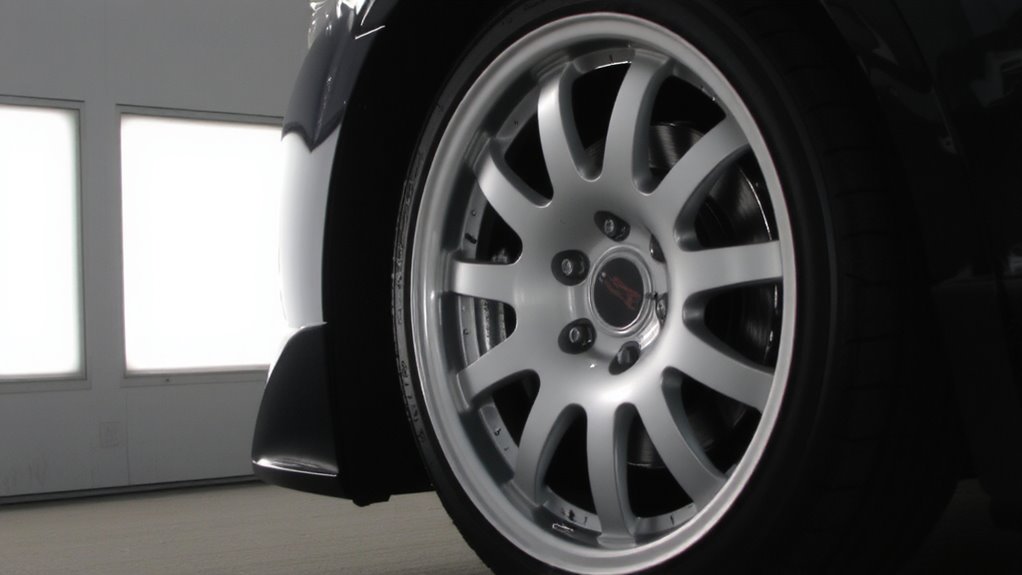
While both forged and cast wheels serve the same basic function, forged wheels start as a single solid block of aluminum alloy-typically 6061 or 7075-compressed under extreme pressure, often exceeding 10,000 tons. This process dramatically increases material strength by aligning the metal’s grain structure, making forged wheels up to 30% stronger than cast equivalents. You benefit from reduced risk of cracking under stress. Manufacturing precision is superior in forging, allowing tighter tolerances-often within ±0.005 inches. Each wheel’s geometry is exact, ensuring consistent fitment and balance. Cast wheels, poured as molten metal, cool unevenly, creating weak spots. Forged blanks are then CNC-machined, removing minimal material while maintaining ideal strength-to-weight ratios. The result is a lighter, more durable wheel. You get reliability, exacting standards, and performance-ready construction without compromise.
How Forged Wheels Improve Track and Street Performance
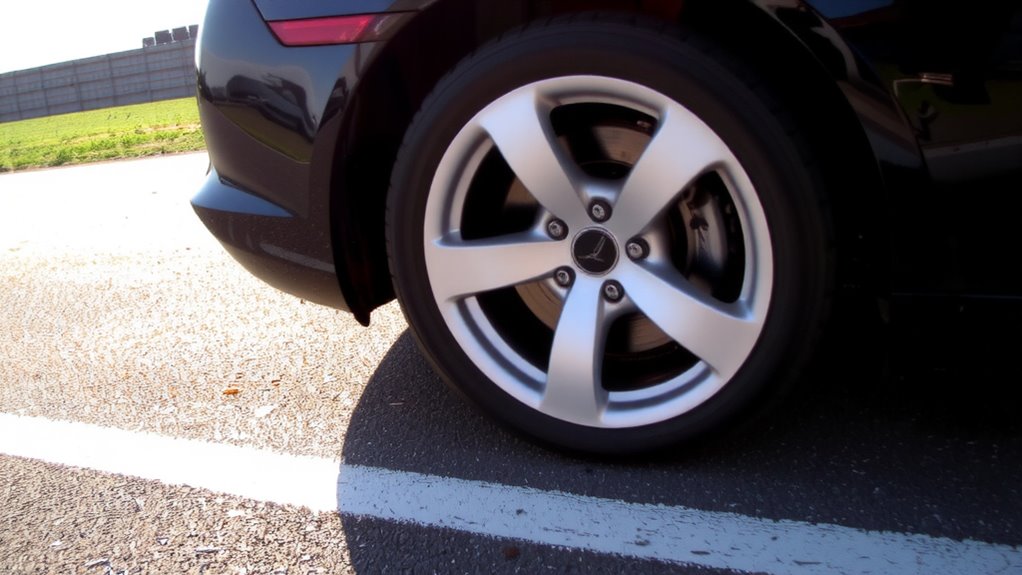
Because they’re stronger and lighter than cast wheels, forged wheels give you real gains on both track and street. You experience improved acceleration, braking, and handling due to weight reduction-unsprung mass drops by up to 30%, enhancing suspension response. Each pound saved at the wheel acts like two removed from the chassis, improving agility. Forged aluminum T6-heat-treated construction delivers superior strength-to-weight ratios, often exceeding 50,000 psi tensile strength. This structural integrity supports high-load cornering without flex. Thermal resistance is critical under hard use; forged wheels dissipate heat more efficiently, reducing brake fade and tire degradation. They withstand sustained track temps over 300°F without compromising integrity. On the street, this translates to consistent performance in varying conditions. Precision fitment options, down to 0.1mm tolerances, guarantee peak offset and clearance. You gain measurable lap-time reductions and sharper turn-in without sacrificing daily drivability. Performance isn’t just felt-it’s quantified.
How Forged Wheels Survive Hard Driving and Track Days
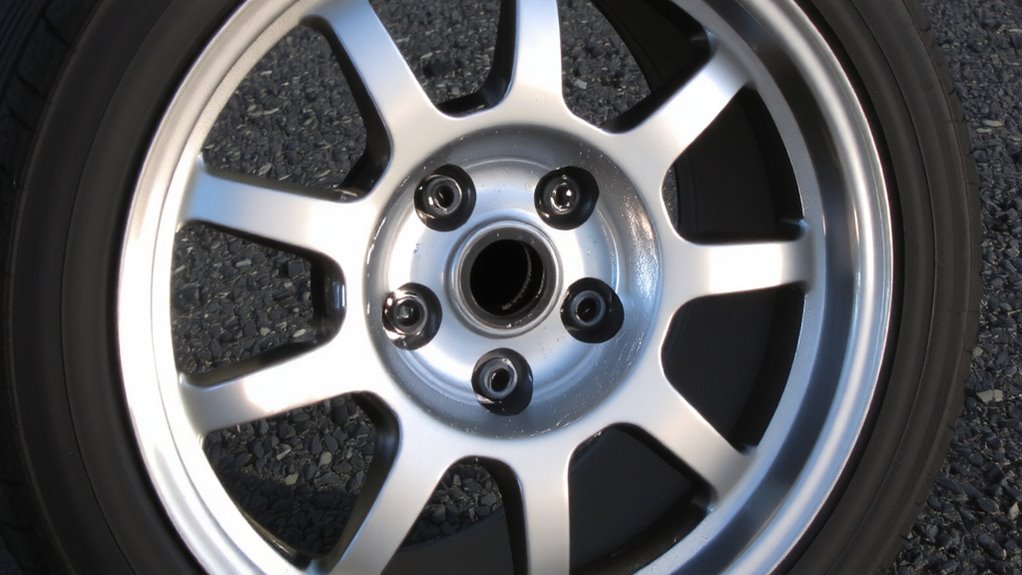
Forged wheels handle the punishment of track days and aggressive street driving without breaking a sweat. They’re forged under extreme pressure-typically 8,000 to 10,000 tons-densifying the aluminum’s grain structure for superior strength. This process grants exceptional fatigue endurance, meaning they resist cracking under repeated stress, like hard cornering or curb strikes. Unlike cast wheels, forged wheels maintain integrity after thousands of high-load cycles. Their heat resistance is also critical; they withstand brake heat up to 500°F without warping. The monoblock design eliminates weak points from welding or bonding. Plus, their lighter weight reduces unsprung mass, improving suspension response and reducing strain on components. You’ll push hard lap after lap, and while temperatures rise and g-forces build, your forged wheels won’t flinch. They’re built for punishment, with material properties tuned for durability and resilience under real track conditions.
Are Forged Wheels Worth the Investment?
What if your wheels could handle extreme loads without failing? Forged wheels can, thanks to high-strength aluminum alloys formed under 10,000+ tons of pressure, delivering superior structural integrity. They’re up to 25% lighter than cast wheels, reducing unsprung mass and improving acceleration, braking, and handling. While the initial cost comparison favors cast wheels, forged options deliver long-term value. You’ll save on tire and suspension wear due to better load distribution and reduced rotational inertia. These wheels resist cracking under stress, a critical trait during track use. Plus, their durability and desirability boost resale value-well-maintained sets often retain 70% or more of their original price. The manufacturing precision guarantees exact fitment and balance, minimizing vibrations. For performance drivers logging hard miles, the investment pays off through reliability, efficiency, and sustained market demand. You’re not just buying wheels-you’re buying peace of mind.
Pick the Right Forged Wheel for Your Use
How do you make certain your forged wheels match your driving demands? Start by evaluating your vehicle’s intended use-track, street, or mixed. Forged wheels offer precise fitment options, including custom offsets, hub bores, and bolt patterns tailored to your make and model. This guarantees proper clearance, alignment, and suspension function. Wheel finish isn’t just aesthetic; satin, gloss, or matte coatings impact heat dissipation and corrosion resistance. A clear coat protects forged aluminum in harsh conditions. Opt for monoblock construction for maximum strength at lower weights-typically 18 to 22 lbs per wheel, depending on size. Choose widths between 9 and 11 inches and diameters from 18 to 20 inches, based on brake clearance and tire sizing. Correct fitment avoids rubbing and maintains handling integrity. Pick the proper wheel finish and exact fitment options for peak performance and longevity.
On a final note
You get what you pay for with forged wheels. They’re stronger, lighter, and more precise than cast. A typical forged wheel weighs 18–22 lbs, reducing unsprung mass by up to 30% compared to a 28–32 lb cast wheel. This improves braking, acceleration, and handling. Forged aluminum alloys, like 6061-T6, offer superior fatigue resistance. They withstand repeated track stress. Your performance gains are measurable, real, and long-term.