Tire Blowout Response: What to Do When Safety Is at Stake
Keep both hands at 9 and 3 o’clock the moment a tire blows-sudden yaw of up to 15 degrees can occur in under 0.5 seconds. Firm grip maintains control and supports stability systems. Ease off the gas, not the brake; abrupt stopping increases skid risk. Decelerate naturally to below 40 mph before steering corrections. Pull over only when stable, using signals with 100 feet visibility. Stop on flat ground, away from traffic. Inspect for punctures or tread damage-never drive on a blown radial tire. Contact assistance with your VIN and tire size, like P215/65R15 95H, for faster service. More critical steps follow.
Notable Insights
- Keep both hands on the steering wheel at 9 and 3 o’clock to maintain control after a blowout.
- Gradually ease off the gas instead of braking to avoid losing control during a blowout.
- Hold the steering wheel steady until the vehicle slows below 40 mph to prevent overcorrection.
- Activate emergency signals and pull over smoothly to a safe, flat area with good visibility.
- Inspect the damaged tire only if safe, then call roadside assistance-do not drive on it.
Keep Both Hands on the Wheel During a Tire Blowout
You’ll need both hands firmly on the steering wheel the moment a tire blows. Proper grip guarantees immediate control, preventing erratic steering. Place hands at 9 and 3 o’clock for maximum leverage and responsiveness. Sudden yaw or pull from the blown tire can shift your vehicle up to 15 degrees off course in under 0.5 seconds. A firm, two-handed grip lets you counteract this deviation smoothly. Avoid panic-jerking the wheel worsens instability. Instead, maintain steady pressure and focus on directional control. Modern stability systems activate within 200 milliseconds, but they rely on consistent steering input. Your response directly affects electronic assistance effectiveness. Keep arms slightly bent to absorb vibrations without overcorrecting. This technique reduces lateral drift by up to 40% compared to single-hand control. Proper grip isn’t just recommended-it’s critical for maintaining vehicle dynamics during sudden tire failure. Stay composed. Stay in control.
Ease Off the Gas: Don’t Brake Suddenly
When a tire blows, your first instinct might be to hit the brakes, but doing so can make the situation worse. Instead, ease off the gas gradually. Sudden braking can cause loss of control, especially at highway speeds. Modern vehicles require 3 to 5 seconds to stabilize after a blowout if you refrain from braking. Maintain momentum while reducing engine power. This allows the car to decelerate naturally and safely. Loss of tire pressure from road debris impact reduces traction and increases stopping distance by up to 30%. Gradual slowdown helps maintain steering responsiveness. Tire pressure monitoring systems (TPMS) alert you to underinflation, but they can’t prevent blowouts from sudden road debris punctures. Let speed drop smoothly before gently steering toward the shoulder. This response minimizes skidding risk and aligns with federal safety guidelines for emergency vehicle handling.
Hold the Steering Wheel Steady Until You Slow Down
Even though the vehicle may pull to one side, keeping both hands firmly on the steering wheel and maintaining a steady course is critical until speed drops below 40 mph. Steering control must be prioritized to prevent overcorrection. Sudden movements compromise vehicle stability and increase rollover risk, especially in SUVs and trucks. Focus on smooth inputs-small corrections matter. Below 40 mph, control becomes easier due to reduced tire pressure imbalance. Maintain forward momentum in your lane until you can safely switch.
| Speed (mph) | Tire Pressure Imbalance Effect | Recommended Action |
|---|---|---|
| 65–50 | Severe pull, vibration | Firm grip, no steer input |
| 50–40 | Moderate instability | Gradual course hold |
| 40–30 | Reduced yaw sensitivity | Prepare to steer |
| 30–20 | Minimal drift | Guide lightly |
| Below 20 | Full steering control regained | Ready to maneuver |
Steering control directly affects vehicle stability during deceleration.
Pull Over Safely After a Blowout
Once control is regained below 40 mph, shift focus to exiting traffic as safely as possible. Activate your emergency signals immediately to alert nearby drivers of your reduced speed and intent to pull over. Most modern vehicles require at least 100 feet of clear visibility for turn signals to be effective at highway speeds. Steer smoothly toward the shoulder, avoiding abrupt movements that could destabilize the vehicle. Watch for roadside hazards like soft shoulders, debris, or uneven terrain that can compromise control. A compromised tire typically loses 25–50% of its structural integrity, making low-speed maneuvering essential. Choose a flat, straight stretch of road with maximum visibility-ideally over 500 feet in both directions. Fully engage the parking brake once stopped. Keep emergency signals on until help arrives.
Check Tires and Call for Help
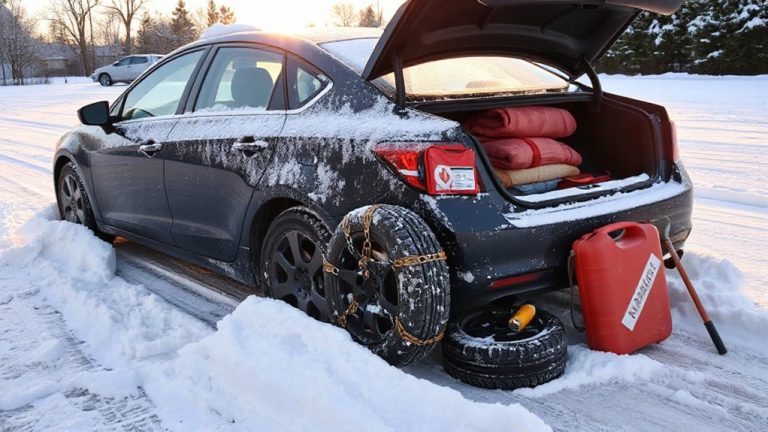
Though you’ve brought the vehicle to a stop, don’t assume the situation is fully under control. Perform a tire inspection only if it’s safe to do so. Stay off the traffic side of the vehicle and visually assess the damaged tire. Look for punctures, tread separation, or sidewall bulging-common signs of catastrophic failure. Most passenger tires operate at 32–35 psi; a significant drop indicates irreparable damage. Never attempt to drive on a blown tire. Modern radial tires cannot safely sustain structural compromise. Instead, contact roadside assistance immediately. Reliable services typically arrive within 30–60 minutes and carry spare tires, tire repair kits, or towing equipment. Many providers use GPS dispatch, reducing wait times. Keep your vehicle identification number (VIN) and tire specifications-like P215/65R15 95H-handy for faster service. Roadside assistance professionals are trained to handle hazardous conditions, ensuring a secure resolution. A well-prepared motorist can stay safer with a roadside emergency kit that includes essential tools and supplies.
On a final note
Keep both hands on the wheel to maintain control. A blowout can cut traction instantly, especially at speeds over 55 mph. Ease off the gas-don’t brake-to avoid skidding. Modern vehicles need 3–5 seconds to stabilize. Hold the steering wheel steady; sudden turns worsen instability. Once below 30 mph, signal and pull over safely. Inspect tire pressure (normal: 32–35 psi) and tread depth (minimum legal: 2/32 inch). Call for roadside assistance if damage is severe.